SCHOOLS RESOURCE CENTRE
History, ready to teach.
Bring people, culture and community into the classroom with posters, biographies and teaching resources.
Posters Biographies Teacher notes
STORIES THAT CONNECT GENERATIONS
1987—2027
40 years of Black History Month in the UK
THE BLACK HISTORY COLLECTION
Discover the people, ideas and everyday lives that have shaped Britain. Explore the archives. Make room for the stories still being told.
An expanding collection for a year of reflection.
Looking ahead to 2027 →
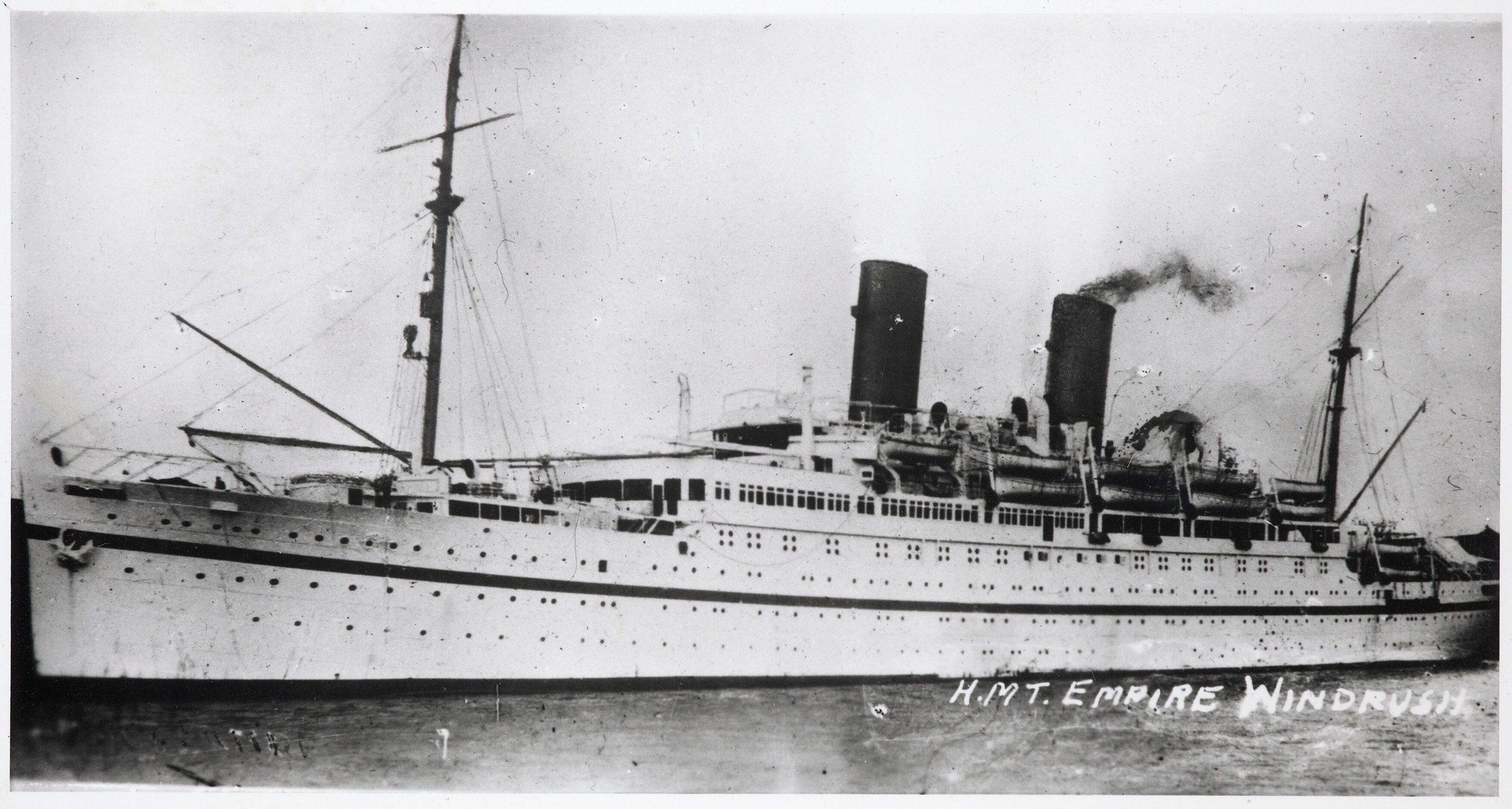
FEATURED STORY · MIGRATION & BELONGING
The people, the voyage and a story of Britain that stretches beyond 1948.
Browse the collection
Find stories by the people, places and ideas that interest you.
Discover Black scientists, inventors and medical professionals whose research, discoveries and care have advanced knowledge and improved everyday lives.
Explore the lives and resistance of enslaved people, the struggle for emancipation and the lasting consequences of slavery.
Discover Black sporting lives, from local clubs to international competition, and the achievements and struggles that have shaped sport.
Discover Black actors, filmmakers and performers, and the productions, stories and creative work that have shaped stage and screen.
Explore Black working lives through jobs, trades and professions, and the everyday experiences of earning a living and supporting families.
Explore African American lives, communities and movements, from the struggle for freedom to achievements in culture, politics and public life.
Discover Africa’s kingdoms, societies and independence movements, and the people, ideas and connections that have shaped the continent’s history.
Meet the artists and photographers whose work records Black lives, challenges ideas and offers new ways of seeing the world.
Explore how Black History Month began in Britain, the people behind it and its place in education and public life.
Discover the lives, creativity and campaigning of Black LGBTQ+ people, and their experiences of identity, community, equality and belonging.
Women’s lives, achievements, work, creativity, campaigning and community leadership, across different periods and countries.
Discover Black writers, poets and publishers, exploring the books, ideas and literary movements that have shaped reading and cultural life.
Explore Black enterprise through the people, businesses and ideas that have created livelihoods and supported communities across generations.
Explore Caribbean history through Indigenous societies, enslavement and resistance, independence, migration and the people who shaped the region.
Explore the traditions, celebrations and everyday experiences through which Black communities have created shared identities and a sense of belonging.
Explore early Black lives in Britain through surviving records, personal stories and links with Africa and the wider world.
Discover Black educators, students and campaigners, and the stories of learning, opportunity and change within schools, universities and communities.
Explore Black religious life, places of worship and the connections between faith, mutual support and community action.
Family photographs, personal accounts, recorded memories, and practical guides to researching and preserving family history.
Meet Black designers and explore how clothing, textiles and personal style express identity, influence culture and connect people across generations.
Discover how food, cooking and shared meals connect Black histories, family traditions, migration and everyday life across generations.
Explore the lives and ideas of Black leaders whose work has influenced communities, movements and countries around the world.
Explore journeys to Britain, the building of new lives and communities, and changing experiences of home, identity and belonging.
Explore the experiences of Black servicemen and women, their contributions in war and peace, and how their service is remembered.
Discover Black musicians, composers and performers, and the sounds, scenes and movements that have shaped music and cultural life.
Meet the people behind Black history, exploring their lives, relationships, choices and experiences through biographies and personal stories.
Trace Black involvement in political institutions, campaigns and public debate, including struggles for representation, equal rights and social change.
Explore Black struggles for freedom and equality through protest, community organising, legal challenges and everyday acts of resistance.
SCHOOLS RESOURCE CENTRE
Bring people, culture and community into the classroom with posters, biographies and teaching resources.
Posters Biographies Teacher notes
THE BOOKSHOP
Discover Black British and international authors, life stories, poetry and books that open up history.
01 / PEOPLE & LIVES
Three lives to explore in depth.
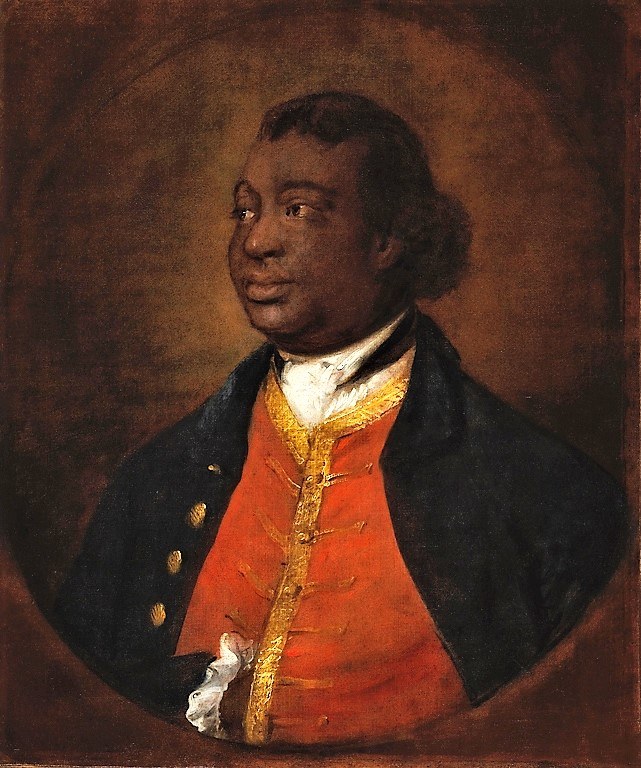
PEOPLE & LIVES
Writing, music, business and political participation in eighteenth-century London.
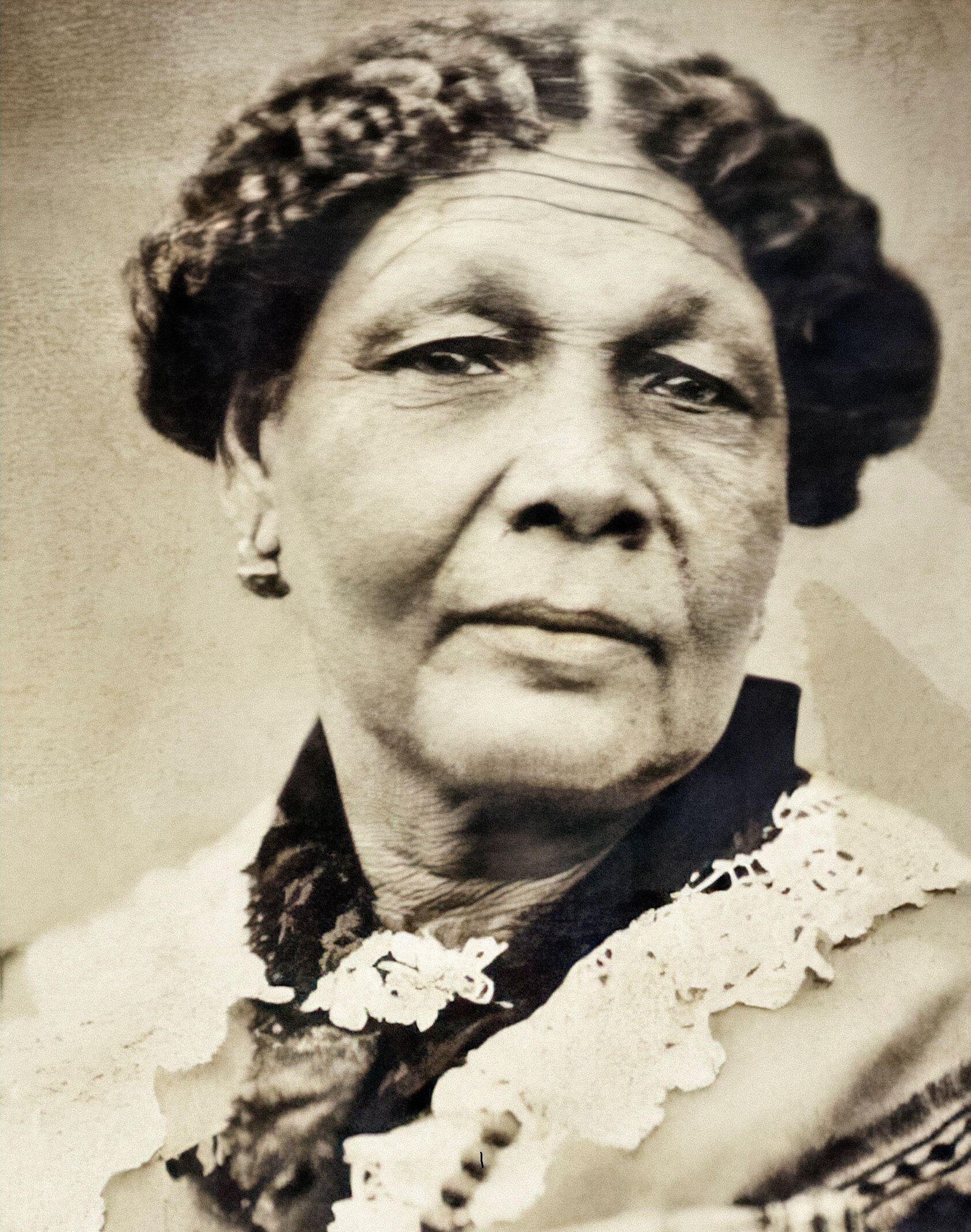
PEOPLE & LIVES
A life connecting Jamaica, travel, enterprise and care during the Crimean War.
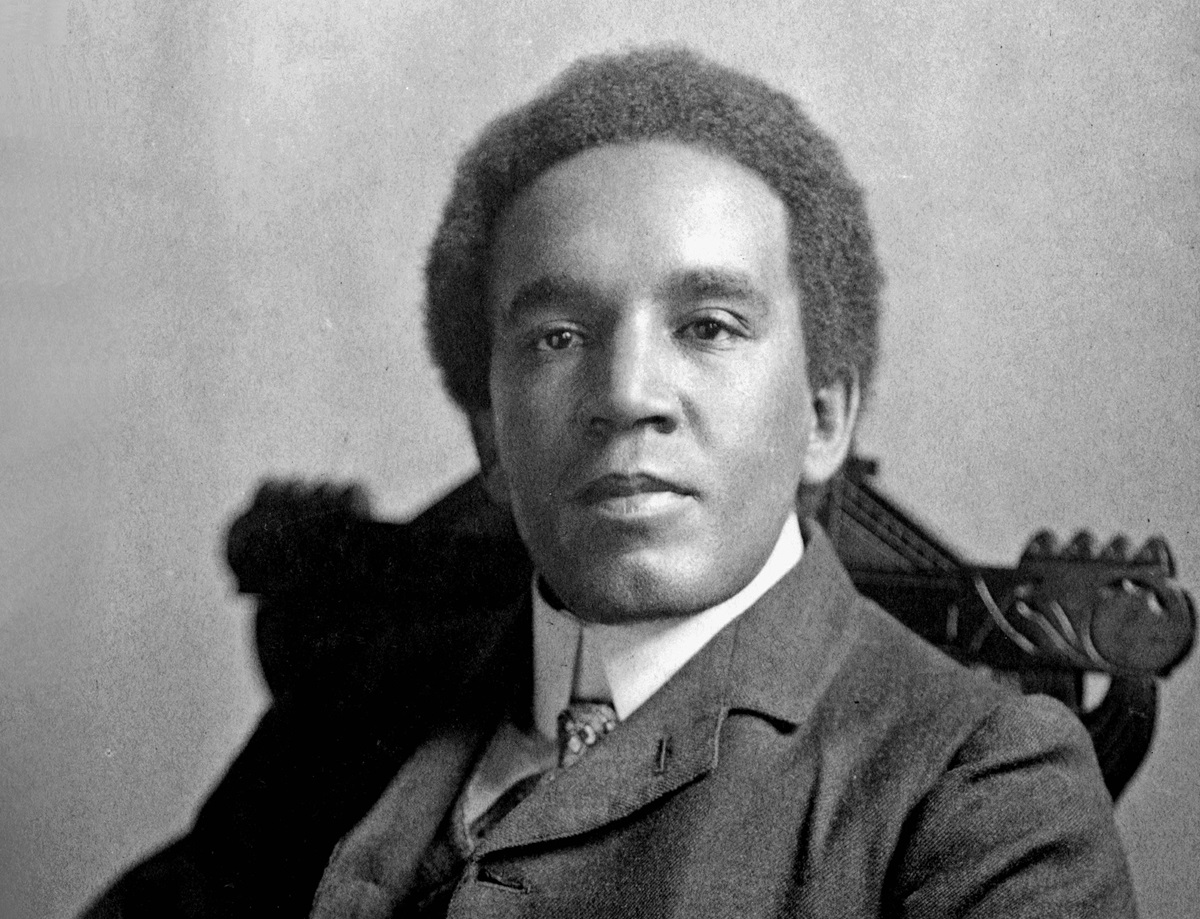
MUSIC & CULTURE
Explore the composer’s music, working life and place in Britain’s cultural history.
02 / THE BLACK HISTORY COLLECTION
History, people and ideas.
Read the full articles here.
From merchant seafarers to family language, football and contemporary art: Somali lives within the history of Cardiff and Wales.
Emma Dabiri's writing begins with experiences that are often dismissed as personal or superficial, then follows them into history. Hair, beauty and the pressure to fit…
Colin Grant's books move between Caribbean political history, music, family memoir and the experience of migration. His subjects include Marcus Garvey, the original Wailers and the…
Afua Hirsch writes about the distance between belonging to a country and being accepted as part of it. Across journalism, memoir, film and cultural criticism, she…
Maya Angelou brought the experiences of a Black girl in segregated America into the centre of literary life. Her autobiographies, poetry and performances connect private memory…
James Baldwin wrote about the pressures that racism, poverty and sexual shame place upon intimate life. His novels and essays connect the struggle to know another…
David Olusoga has helped bring Black British history to audiences who were rarely taught it at school. Through books, television and public discussion, he connects individual…
Chinua Achebe changed the place of African experience in English-language fiction. His novels examine colonialism, power and responsibility through the lives of particular people, while his…
Alice Walker’s fiction places Black women’s work, relationships and inner lives at the centre of the story. Her novels, essays and poetry explore how people survive…
03 / Moments & movements
Explore 93 moments: ancient African civilisations, Indigenous Caribbean societies, learning, war service, Windrush and Black British life.
Explore ancient societies, kingdoms, learning, service and community life across Africa, the Caribbean and Britain.
Scroll sideways or swipe to explore the dates.
When the timeline has keyboard focus, use Left and Right to move between dates, Home for the beginning and End for the latest dates.
Africa
c. 6000 BCE onwards
Rock-art dates are approximate.
At Tassili n’Ajjer, in present-day Algeria, paintings and engravings preserve thousands of years of human experience. Images of people, cattle and wild animals record societies living through major environmental changes. This art offers evidence of livelihoods and creativity long before later states and empires; its different phases cannot be reduced to one date.
Caribbean
c. 5900 BCE
Approximate archaeological date
People lived at Banwari Trace, in present-day Trinidad, thousands of years before European colonisation. Excavated shells, animal remains and layers of occupation record how they used the local environment. Modern dating places the earliest studied deposits at approximately 5900 BCE, making this one of the Caribbean’s oldest known archaeological sites.
Caribbean
c. 4000 BCE
Approximate; settlement dates vary by island
Archaeological evidence places early communities in Cuba, Hispaniola and Puerto Rico around this period. Their histories involved sea crossings, stone tools and connections between islands. Research links these Indigenous populations with Central and northern South America, although the precise routes and sequence of migrations remain subjects of debate.
Africa
c. 3100 BCE
By about 3100 BCE, communities along the Egyptian Nile had been united under a single king. Growing towns, religious institutions and powerful rulers shaped this early state. Ceremonial objects associated with Narmer and the Scorpion King preserve evidence of royal authority. Egypt’s beginnings belong within the wider, interconnected history of the African Nile Valley.
Africa
c. 2500 BCE
Founded around 2500 BCE in present-day Sudan, Kerma became the capital of a powerful Nubian kingdom. Its city contained a royal palace, workshops, houses and a religious district dominated by the great mudbrick monument known as the western deffufa. Archaeology reveals an organised African urban society whose rulers maintained independence from neighbouring Egypt for centuries.
Africa
c. 1500 BCE onwards
Terracotta figures appear later, around 900 BCE.
Archaeological research dates the emergence of the Nok culture in central Nigeria to around 1500 BCE. Early communities grew crops including pearl millet. The elaborate terracotta figures associated with Nok appeared later, around 900 BCE. Farming, pottery and sculpture reveal a long history of skilled production, although the figures’ original purposes are still being investigated.
Africa
9th century BCE
The city’s foundation precedes its imperial expansion.
Founded by Phoenician settlers on the Gulf of Tunis, Carthage developed into a major Mediterranean trading power from the sixth century BCE. Its ports connected North Africa with communities across the sea. The city’s history includes commerce, craftsmanship and political rivalry, showing how deeply African societies participated in the ancient Mediterranean world.
Africa
8th–7th centuries BCE
Rulers of Kush extended their power north from Nubia into Egypt, establishing the Twenty-fifth Dynasty. Kings including Piye and Taharqa governed a Nile Valley realm with strong connections to Napata in present-day Sudan. Their temples, royal monuments and pyramids reveal a distinctive African state that adapted Egyptian traditions to its own political and religious purposes.
Caribbean
c. 500–300 BCE
A regional transition, not one founding event
Intensive pottery production and agriculture became increasingly important in Caribbean communities. People with connections to northeastern South America moved through the island chain, alongside local cultural developments. Archaeologists call this broad transition the Ceramic Age. It unfolded over time: the islands did not share a single culture or change on one fixed date.
Caribbean
c. 400 BCE–AD 500
Approximate period of material evidence
The sea carried goods, ideas and relationships between Indigenous communities. Ceremonial seats known as duhos show links with South America during this period. Their designs suggest that exchange included ideas about authority and social life as well as objects. Caribbean island societies belonged to wider networks long before European ships arrived.
Africa
3rd century BCE onwards
From the third century BCE, most Kushite royal burials took place at Meroë. Its pyramids, palaces, temples and workshops formed part of a powerful African kingdom. Water reservoirs supported settlements beyond the Nile, while ironworking and trade contributed to its wealth. Meroë developed from earlier Kushite traditions rather than appearing as an entirely separate civilisation.
Africa
25–20 BCE
Conflict ended with negotiations in 21/20 BCE.
Queen Amanirenas is associated with Kush’s campaigns against Roman power in the southern Nile Valley. Fighting was followed by negotiations with Augustus in 21/20 BCE. The agreement limited Roman territorial control and removed payments demanded from Kush. Her story preserves evidence of African female sovereignty, military resistance and diplomacy, while details of the surviving accounts remain debated.
Africa
1st century CE onwards
From the first century CE, Aksum grew into a trading empire centred in what are now Ethiopia and Eritrea. Through the Red Sea port of Adulis, it connected African, Arabian and Mediterranean markets. Monumental buildings, inscriptions and coinage testify to a state whose power and cultural connections extended far beyond its highland capital.
Britain
AD 253–258
An altar dated AD 253–258 records the Unit of Aurelian Moors at Aballava, now Burgh-by-Sands. The unit’s name connects Roman Britain with North Africa, although it cannot establish the origins or appearance of every soldier who served in it.
Africa
c. AD 300–1200
Approximate span; early origins are uncertain.
Ghana, also known as Wagadu, developed among Soninke-speaking communities in the western Sahel. Its rulers gained wealth by taxing trade, including the exchange of West African gold for Saharan salt. The empire lay far north of the present-day country of Ghana, which later adopted its name. Its earliest beginnings remain uncertain.
Africa
4th century CE
Ezana’s conversion is generally dated around 330 CE.
In the fourth century, Aksum’s ruler Ezana adopted Christianity. Coins carrying Christian crosses replaced earlier religious symbols, offering material evidence of the change. Royal inscriptions in Greek, Ge’ez and Sabaean also reveal a multilingual African court. Christian institutions subsequently became central to Ethiopian history, while Aksum’s architecture influenced later churches and royal traditions.
Africa
6th century CE
During the sixth century, the Nubian kingdoms of Nobatia, Makuria and Alwa adopted Christianity. Centres such as Faras, Dongola and Soba developed religious and political traditions of their own. Surviving cathedral paintings, pottery and architectural remains show a rich medieval African culture shaped by local creativity and exchanges with neighbouring Christian and Muslim societies.
Africa
AD 700s–800s
Approximate early period, not an exact founding date.
Kanem emerged around Lake Chad and became part of the long history of Kanem-Bornu. Connections with North Africa placed this region within wider African networks. Archaeologists combine settlement remains, oral histories and written records to investigate its early development, including contacts with other parts of West and northeastern Africa.
Africa
AD 700s
Early mosque and teaching traditions; foundation dates vary.
Al-Zaytuna in Tunis grew from an early mosque into a major centre of scholarship. The university's history dates teaching to 737, while accounts of the mosque's foundation vary. Over later centuries, scholars taught religious law, language and other subjects here. Its educational institutions developed through successive reforms over a long history.
Caribbean
By about AD 800
Approximate; cassava identification is tentative
Tiny stone tools from the Three Dog settlement on San Salvador preserve traces of maize, peppers and possibly cassava. This evidence connects early Lucayan communities with plant knowledge carried from Cuba or Hispaniola. It reveals a varied diet and the movement of crops across the sea during the settlement of the central Bahamas.
Africa
859
Traditional date of the mosque’s foundation.
Al-Qarawiyyin’s mosque in Fez is traditionally dated to 859 and credited to Fatima al-Fihri. It grew into a major centre for religious scholarship and Arabic learning, attracting students and teachers. Its long educational history developed over centuries: the foundation date belongs to the mosque, and should not imply that a modern university already existed in its present form.
Africa
970–972
Dates refer to the mosque’s construction and opening.
Founded as a mosque in Fatimid Cairo in 970–972, al-Azhar developed into a major centre of scholarship. Its scholars taught religious law, Arabic and other subjects, attracting learners from beyond Egypt. The institution evolved over centuries, with substantial modern reforms. Its medieval beginnings demonstrate Africa’s long history of organised higher learning.
Africa
AD 1000s
Rise and expansion during the eleventh century.
The Almoravids built a major Amazigh, or Berber, Muslim empire centred on Marrakesh. Their rule eventually extended across parts of the Sahara, Morocco, Algeria and al-Andalus in Iberia. Control of routes and ports connected African and Mediterranean economies, while their courts supported architecture, textiles and skilled craftsmanship.
Africa
c. 1100–1450
Main period of monumental building and occupation.
African builders created Great Zimbabwe's remarkable stone walls, enclosures and royal spaces. The city became a centre of a powerful state associated with ancestors of today's Shona communities. Farming, cattle and trade supported its people; imported glass beads and ceramics reveal connections reaching through the East African coast to distant markets.
Africa
c. 1150
Period of consolidation, not the movement's founding.
The Almohads replaced Almoravid power across Morocco and much of al-Andalus. This Amazigh-led dynasty governed from Marrakesh and Seville, where courts became centres of Islamic learning. Its architectural legacy includes monumental mosques, city walls and minarets, showing how political authority, religious reform and artistic ideas travelled between Africa and Iberia.
Africa
12th–13th centuries
The church complex developed over time.
At Lalibela, in Ethiopia’s highlands, builders carved an extraordinary complex of churches directly from rock. Their construction is traditionally associated with King Lalibela of the Zagwe dynasty. Linked by trenches and passages, the churches expressed a vision of a new Jerusalem and continue to serve as places of worship. The complex reflects medieval Ethiopian religious, artistic and engineering knowledge.
Africa
c. 1200–1500
A period of artistic flourishing; the settlement is older.
Ife, in present-day southwestern Nigeria, flourished as an artistic centre. Artists created striking naturalistic heads and figures in terracotta, metal and stone. The city also held deep religious and political significance within Yoruba traditions. Its celebrated sculpture belongs to a much longer history of settlement and urban life at Ife.
Africa
From c. 1200
Approximate beginning of the Oba dynasty; earlier rulers preceded it.
By the thirteenth century, the dynasty of Obas governed the Edo kingdom from Benin City in present-day Nigeria. Palace guilds developed highly skilled work in metal, ivory and wood. These objects recorded authority, honoured ancestors and served royal ceremonies. Benin's political and artistic traditions grew over centuries before European colonial conquest.
Caribbean
c. AD 1200–1500
Approximate period of construction and use.
At Caguana in Puerto Rico, Taíno communities created an extensive ceremonial centre with stone-lined ball courts, plazas and carved stones. The site records organised gatherings, spiritual life and skilled construction before Spanish colonisation. Its surviving layout offers evidence of the social and political relationships that brought communities together through ceremony and games.
Africa
c. 1220–1300
Approximate period of the hilltop capital.
Mapungubwe Hill became the centre of a kingdom near the meeting of the Limpopo and Shashe rivers. Its rulers lived above surrounding settlements, while farmers, herders and craftspeople sustained a wider community. Gold objects and imported goods reveal wealth and connections with Indian Ocean trading networks long before European colonisation.
Africa
c. 1230–1235
Conventional approximate dating; oral accounts differ in detail.
Sundiata Keita, also called Sunjata, united allies against Soso power and helped establish the Mali empire. His life survives through written history and the changing performances of Mande oral historians. Mali grew into a major West African power, drawing strength from regional alliances, farming and the exchange of goods across the Sahara.
Africa
AD 1300s
Early kingdom period; no single founding year is established here.
By the fourteenth century, the Kingdom of Kongo was developing around a capital at Mbanza Kongo, in present-day Angola. Royal residences, courts, sacred places and burial grounds organised the city's life. It was already a prosperous African political and spiritual centre when Portuguese visitors arrived during the following century.
Africa
1324–1325
Mali's ruler Mansa Musa travelled to Mecca through Cairo, where his spending and gifts of gold made a powerful impression. The journey helped publicise Mali's wealth across the Mediterranean world. Musa also supported mosques and scholarship at home, connecting West African political power with wider networks of Islamic learning.
Africa
1331–1332
The traveller Ibn Battuta visited Kilwa during its period of great prosperity. This Swahili city, off today's Tanzanian coast, connected African gold and ivory with Indian Ocean markets. Its mosques, palaces and locally minted coins show an established urban culture shaped by African communities and sustained exchange with Arabia, India and China.
Africa
AD 1400s–1500s
A period of flourishing scholarship, not a university founding date.
Scholarly families and teachers made Timbuktu a renowned centre of Islamic learning. Students studied with individual masters, while books circulated through teaching, copying and trade. Sankore and the city's other mosques belonged to this intellectual world. Often called the University of Sankore, its higher learning was organised through scholars and family networks.
Caribbean
The 1400s
A broad period, not the beginning of Taíno history
On Hispaniola, Taíno communities formed chiefdoms known as cacicazgos, with regional leaders called caciques. Women as well as men could exercise political authority. Farming, trade, skilled craftwork and spiritual practices sustained these societies. Archaeology and early Spanish records illuminate their history, although colonial accounts require careful reading because they reflect outsiders’ assumptions.
Africa
1464–1591
Songhai became a major empire under Sunni Ali, whose forces used cavalry and riverboats to extend their power. Gao, Timbuktu and Djenné connected government, trade and learning along the Niger. Under the later ruler Askia Muhammad, scholars gained influential patrons. Moroccan invasion in 1591 broke the empire's power, although resistance continued.
Caribbean
1492 and after
Columbus’s arrival brought European ships into a region already home to diverse Indigenous peoples. Colonisation imposed forced labour, violence and devastating disease. Survivors maintained and adapted knowledge, traditions and family connections. Taíno heritage continues today: Caribbean history should not describe Indigenous peoples as simply vanishing when Europeans and Africans entered the story.
Britain
1504
Records from 1504 place African women in the household of Lady Margaret, daughter of James IV, at Edinburgh Castle. Accounts of their clothing and shoes reveal their participation in Scottish court life. Their surviving stories show an African presence in Scotland long before the eighteenth century.
Britain
1507–1511
A royal payment record names John Blanke as a trumpeter in 1507. Four years later, the Westminster Tournament Roll depicted him performing at Henry VIII’s court. Together, the written and visual records preserve evidence of a Black musician working within Tudor royal ceremony.
Britain
1597
Mary Fillis, who had come to England from Morocco, was baptised at St Botolph’s Aldgate in 1597. The parish clerk recorded details of her family and life. She worked in the household of seamstress Millicent Porter, placing her story within Elizabethan London’s everyday working communities.
Africa
AD 1600s
A period of imperial expansion; Luba traditions have earlier roots.
The Luba empire expanded in Central Africa through alliances, tribute and conquest. Its political traditions combined sacred kingship with councils, while members of the mbudye association preserved and interpreted historical knowledge. Royal staffs, seats and other artworks helped express authority and connect rulers with remembered ancestors across a network of communities.
Africa
AD 1600s–1700s
A broad period of expansion, not the kingdom's founding.
From Oyo-Ile, rulers extended their influence across parts of present-day Nigeria and Benin. Cavalry, archers and relationships with tributary states helped build a major Yoruba empire. Court ceremonies, carved architecture and traditions associated with deities such as Shango expressed its political culture. Its expansion brought both cultural exchange and coercive rule.
Britain
1625
An inventory made after Cattelena’s death records the belongings of an African woman living in Almondsbury, near Bristol. Her possessions included a cow, which could provide income through milk and butter. The document preserves a rare glimpse of a Black woman’s rural life and property in seventeenth-century England.
Africa
By c. 1650
Lunda rulers developed a powerful state while adopting elements of Luba political and artistic traditions. By about 1650, trade routes linked the royal centre with the Atlantic coast. Later expansion connected copper-producing regions and routes towards eastern Africa. This history also included the traffic in enslaved people during the Atlantic slave-trade era.
Africa
c. 1700
Approximate period of consolidation and early expansion.
Under Osei Tutu, Asante brought Akan states together and began building a large empire centred on Kumasi. Gold, cloth and the trade in enslaved people helped finance its power. Royal arts communicated political ideas through proverbs, precious materials and shared symbols, creating a distinctive culture whose traditions continue in Ghana.
Britain
1772
22 June
James Somerset challenged his detention on a ship bound for Jamaica. Lord Mansfield ruled that he could not lawfully be detained and forcibly taken out of England for sale. The judgment advanced challenges to enslavement, but it did not abolish slavery throughout the British Empire.
Britain
1773
Phillis Wheatley visited London in 1773, where supporters helped her secure publication of Poems on Various Subjects, Religious and Moral. The volume appeared that year while she was still enslaved. Her writing reached readers across the Atlantic and challenged racist assumptions about African literary ability.
Britain
1774
Westminster grocer Ignatius Sancho voted in the parliamentary election of 1774 and again in 1780. His participation forms part of a longer history of Black electoral activity: archival research also documents publican John London’s vote in 1749, when voting depended on restrictive local qualifications.
Britain
1787
Ottobah Cugoano published Thoughts and Sentiments in London, drawing on his experience of enslavement to attack the slave trade and slavery itself. He combined personal testimony with religious, philosophical and economic arguments. He called for immediate abolition and the emancipation of enslaved people, addressing Britain’s inhabitants directly.
Britain
1789
Olaudah Equiano published The Interesting Narrative in London. His autobiography described enslavement, seafaring, religious belief and the purchase of his freedom. Published during the campaign against the slave trade, the book became a campaigning tool as Equiano travelled to promote it and argue for abolition.
Caribbean & Africa
1795
Britain raised eight West India Regiments to defend its Caribbean colonies. Their early ranks included African and Caribbean men purchased while enslaved, alongside other recruits. These soldiers became part of the British Army, but their service was entangled with slavery. In 1807, legislation freed serving Black soldiers who had been recruited as enslaved people.
Caribbean
1797
British forces expelled Garifuna people from St Vincent, known to them as Yurumein. Survivors reached Roatán and established communities along Central America’s Caribbean coast. Their history brings together African and Indigenous Caribbean ancestry. Language, music and collective memory sustained a distinct people across forced displacement and remain central to Garifuna identity.
Caribbean
1 January 1804
Following a revolution against slavery and colonial rule, Jean-Jacques Dessalines and fellow leaders proclaimed Haiti’s independence. People who had been enslaved helped create a sovereign Black state. The new country took an Indigenous name, linking its future to the island’s earlier history. Haiti’s struggle became a landmark in the history of emancipation and freedom.
Britain
1807
After sustained campaigning, Parliament prohibited British participation in the transatlantic trade in enslaved people. Black abolitionists had helped build the movement through testimony, publications and organising. The Act did not free people already enslaved in Britain’s colonies, where slavery continued.
Britain
1825
Ira Aldridge appeared as Othello at London’s Royalty Theatre under the stage name Mr Keene. He soon performed at the Royal Coburg Theatre too. Despite racist criticism, he developed a reputation with audiences and used the name African Roscius as a theatrical trademark.
Africa
1827
College foundation; the Durham affiliation began in 1876.
Founded by the Church Missionary Society, Fourah Bay College became an influential centre of education in Sierra Leone. Its later affiliation with Durham University, beginning in 1876, supported degree study. Generations of African scholars and professionals passed through the college. Its history is one part of a much older and varied African educational landscape.
Britain
1831
The History of Mary Prince brought a Black woman’s account of enslavement before British readers. Prince narrated her experiences to Susanna Strickland, with Thomas Pringle editing the text. Published three times in 1831, the book supported the campaign to end slavery in the British colonies.
Britain
1833–1838
Parliament passed the Slavery Abolition Act, which took effect in most British colonies in August 1834. The settlement allocated £20 million to enslavers, while many formerly enslaved people were compelled to continue working under an apprenticeship system. That system ended in 1838.
Britain
1837
James McCune Smith completed his medical doctorate at the University of Glasgow, after gaining two earlier degrees there. American universities had rejected him because of his race. His Scottish education prepared him for medical practice in New York and a prominent place in Black intellectual life.
Britain
1848
London tailor William Cuffay was a leading organiser as Chartists renewed their demands for political reform in 1848. The movement sought votes for adult men, secret ballots and payment for MPs, connecting workplace grievances with the struggle over who could participate in Parliament.
Caribbean & Europe
1855
Jamaican-born Mary Seacole travelled independently to the Crimean War after unsuccessful efforts to join the official nursing service. With Thomas Day, she established the British Hotel near Balaklava, supplying food and medicine and caring for sick and injured soldiers. Her work combined practical healing, enterprise and personal courage close to the fighting.
Britain
1859
Sarah Parker Remond moved to England and lectured against slavery, later becoming involved in radical movements in London. She studied languages and liberal arts at Bedford College. Her years in Britain connected abolitionist campaigning with women’s education, before she turned towards nursing and medicine.
Britain
1898
Hiawatha’s Wedding Feast received its first performance at London’s Royal College of Music in November 1898. Samuel Coleridge-Taylor’s setting of Longfellow’s poetry became the opening part of a trilogy. In March 1900, he conducted the complete work at the Royal Albert Hall.
Britain
1913
Battersea councillors elected John Archer as mayor by a majority of one. A Liverpool-born photographer and local campaigner, he combined municipal responsibilities with wider Black political organising. His public work included borough charities, education and assistance for people seeking support through the local Board of Guardians.
East Africa
1914–1918
African soldiers fought on opposing sides during the East Africa campaign, while carriers moved the food, equipment and ammunition that armies needed. Many men were compelled to serve through colonial recruitment systems. Disease, hunger and fighting brought immense suffering to soldiers, labourers and civilians. Their experiences are central to understanding the war beyond Europe.
Caribbean & overseas
1915
The British West Indies Regiment was formed from Caribbean volunteers during the First World War. Its battalions served in the Middle East and Europe, undertaking combat, transport, construction and other essential duties. Racial policies shaped their deployment and treatment. Their contribution included both fighting and the demanding labour that kept armies supplied.
Africa
1916
Opening of the college; university status developed later.
The institution later known as the University of Fort Hare opened as the South African Native College. It became an important centre of Black higher education, attracting students from across the region. Alumni including Oliver Tambo and Nelson Mandela connected its classrooms with struggles over racial exclusion, political rights and African self-government.
Britain
1917
In May 1917, former Tottenham and Northampton footballer Walter Tull became an officer in the Middlesex Regiment. He had already served on the Somme. His wartime service took him to Italy and back to France, where he was killed in action in March 1918.
Britain
1919
Violence in ports including Liverpool, Cardiff and South Shields targeted Black and other minority ethnic communities amid postwar unemployment and hostility towards interracial relationships. The government promoted repatriation of Black and Arab colonial workers. Many refused to leave, regarding Britain as their home.
Britain
1931
Dr Harold Moody helped establish the League of Coloured Peoples to challenge racial discrimination. The Peckham doctor became its president, lobbying politicians, civil servants and trade unions. Its campaigns addressed barriers in employment and the armed forces, as well as the rights of Black seafarers.
Britain
1941
Una Marson became a full-time BBC assistant working on Calling the West Indies. The broadcasts connected Caribbean servicemen and other listeners through talks, music and messages home. In 1942 she became a producer, developing West Indian programming during the Second World War.
Britain
28 March 1941
Lilian Bader joined the Women’s Auxiliary Air Force and trained to repair aircraft instruments. She passed her course with first-class results and worked at RAF Shawbury, checking equipment for faults. Born in Liverpool to a Barbadian father and Irish mother, she became one of the first women in the air force to qualify in this trade.
Caribbean & Britain
November 1941
Trinidad-born Ulric Cross arrived in Britain and trained as an RAF navigator. He later joined the Pathfinder Force, whose crews marked targets for bombing raids. His wartime service brought the Distinguished Flying Cross in 1944 and Distinguished Service Order in 1945. After the war, he built a distinguished career in law and public service.
Caribbean & Britain
October 1943
Thirty women from the English-speaking Caribbean arrived in Britain to join the Auxiliary Territorial Service. More followed despite official resistance to recruiting Black women. Caribbean ATS personnel undertook clerical work, telephone communications, cooking, driving and air-defence duties. Their service widened the range of Black women’s contributions to Britain’s Second World War effort.
Africa & Asia
1944
Soldiers from the Gambia, Nigeria, the Gold Coast, now Ghana, and Sierra Leone served in the 81st and 82nd West Africa Divisions. Formed in 1943, these units fought Japanese forces in Burma during the Second World War. Their campaigns involved difficult terrain, monsoon conditions and disease, with supplies often delivered by air.
Britain
1945
Delegates gathered at Chorlton-on-Medlock Town Hall to challenge colonial rule and advance African independence. Manchester’s existing Black networks helped make the congress possible: activists including Ras Makonnen and Peter Milliard organised locally, while restaurants, meeting places and political associations supported the wider movement.
Britain
1948
Passengers from the Empire Windrush disembarked at Tilbury on 22 June. The voyage became a symbol of postwar Caribbean migration. Other ships had already brought Caribbean passengers to Britain in 1947, making this celebrated arrival part of a longer migration history.
Caribbean & Britain
1950s–1960s
A period of migration, training and service
Nurses from the Caribbean came to Britain to train, develop their careers and care for patients in the growing NHS. Some arrived already qualified; others entered training after migration. Their skills sustained hospitals and community services, while racism and unequal opportunities shaped many working lives. Personal accounts preserve both professional achievement and the difficulties they faced.
Caribbean & Britain
1956
At the invitation of the Barbadian government, London Transport began recruiting directly in Barbados. Men and women travelled to work as conductors and station staff, helping operate the capital’s transport network. Recruitment later expanded to Jamaica and Trinidad. These working lives connected post-war migration with public services, family networks and the changing city.
Britain
1958
In August, white gangs attacked Caribbean residents and their homes in Notting Hill, London. Racial violence also broke out in Nottingham. The attacks formed part of a broader experience of discrimination in housing and daily life. Contemporary letters and records reveal threats faced by people trying to build secure homes in Britain.
Britain
1959
Claudia Jones and the West Indian Gazette organised an indoor Caribbean carnival at St Pancras Town Hall on 30 January. Music, dancing and talent contests celebrated Caribbean culture after the racist violence of 1958. Notting Hill’s street carnival began later, in 1966.
Britain & Commonwealth
1 July 1962
Entry-control provisions took effect on this date
The Commonwealth Immigrants Act introduced new entry controls. People coming for employment generally needed government-issued vouchers, replacing earlier freedom of entry for many Commonwealth citizens. The change restricted migration from the Caribbean and other Commonwealth territories and became an important part of the Windrush generation’s experience of citizenship and belonging.
Britain
1963
Paul Stephenson and fellow campaigners challenged the Bristol Omnibus Company’s refusal to employ Black and minority ethnic workers. The bus boycott began in April and gained wider support. On 28 August the company announced a change to its recruitment policy.
Britain
1965
The Race Relations Act came into force on 8 December, prohibiting racial discrimination in certain public places and creating a Race Relations Board. Its protections were limited: discrimination in housing and employment remained outside its scope until the 1968 Act extended the law.
Britain & Commonwealth
1971–1973
Passed in 1971; commenced 1 January 1973
The Immigration Act 1971 took effect on 1 January 1973. People already present and settled in Britain without restrictions on their stay were entitled to remain indefinitely. Their status was not comprehensively documented by government. This gap later left many longstanding residents struggling to prove rights they already held, a central issue in Windrush history.
Britain
1981
On 2 March, thousands marched through London following the New Cross fire, which killed thirteen young Black people in January. Organised by the New Cross Massacre Action Committee, the Black People’s Day of Action demanded justice and challenged the police investigation and official indifference.
Britain
1981
Black Cultural Archives began collecting and preserving the histories of people of African and Caribbean descent in Britain. Co-founder Len Garrison helped develop a community archive whose growing collections of papers, photographs, publications and objects made Black lives and organisations more visible in the historical record.
Britain
1987
Britain’s first Black History Month took place in October 1987. Akyaaba Addai-Sebo, Ansel Wong, Linda Bellos and fellow organisers established a programme of history, culture and education through London’s local-government networks. The observance subsequently spread to other parts of the UK.
Britain
1999
The Macpherson report, published on 24 February, identified institutional racism and serious failings in the investigation of Stephen Lawrence’s racist murder. Following his family’s campaign for justice, its seventy recommendations addressed policing, the criminal justice system and wider public institutions.
Britain
2018
Public pressure grew in 2018 as lawful residents’ accounts of wrongful treatment received wider attention. People had lost jobs and access to services, and some had been detained or removed from Britain. The Home Office established a review of the failures in May.
Britain
22 June 2022
Jamaican sculptor Basil Watson’s National Windrush Monument was unveiled at London Waterloo station. Its figures of a man, woman and child stand above a group of suitcases, expressing the hopes and family connections of people making new lives in Britain. The monument recognises the Windrush generation’s contribution and creates a public place for reflection.
Britain
2027
Forthcoming anniversary
October 2027 will mark forty years since Britain’s first Black History Month in 1987. This forthcoming anniversary is a planned focus for the site, revisiting the people, community organising and educational work behind the development of the annual observance.
93 moments to explore
Selected moments, with sources on every entry. Dates marked c. are approximate; BCE means Before Common Era, and CE uses the same year numbering as AD. Indigenous Caribbean histories predate the African diaspora. Ancient societies do not fit neatly into modern racial identities. The timeline reaches far before the Atlantic slave trade and follows later developments too.
04 / FOR LEARNING
Resources for classrooms, curious readers
and the next question.
RESOURCE 01
Investigate Windrush through original records
A teaching pack built around photographs and documents, with questions, activities and background notes to help learners examine the experiences of the Windrush generation.
RESOURCE 02
Explore community history and testimony
Find Windrush teaching materials, lessons and oral testimony about the Brixton uprisings, alongside information about learning with the archive’s collections.
RESOURCE 03
Teach migration, literature and Black history
Use literature and history resources covering migration, Black abolitionists and Black people in Britain from 1730 to 1850, with sources and activities for classroom enquiry.
1987
2027
LOOKING AHEAD · IN DEVELOPMENT
In 2027, Black History Month in the UK marks its fortieth anniversary. We are developing BlackHistory.org.uk as a place to explore the past, support learning and keep the conversation going throughout the year.
The anniversary marks the beginning of the UK observance in 1987. The history reaches much further back.
The BlackHistory.org.uk newsletter
Get new articles, historical sources and updates from BlackHistory.org.uk in your inbox.
For curious readers, teachers, schools, workplaces and community organisations. Follow the people, ideas and movements that have shaped Black history in Britain.
Discover researched articles on lives, communities, culture and political change.
Find archive links and selected reading to share in lessons, discussions or your own research.
Hear about additions to the timeline and our developing editorial coverage for 2027.
HMT Empire Windrush. Royal Navy official photographer / Imperial War Museums, FL 9448. Public domain, via Wikimedia Commons. Image record ↗
Ignatius Sancho. Thomas Gainsborough, Ignatius Sancho, 1768. National Gallery of Canada, Ottawa. Public domain, via Wikimedia Commons. Image record ↗
Mary Seacole. incamerastock / Alamy Stock Photo. Image record ↗
Samuel Coleridge-Taylor. World History Archive / Alamy Stock Photo. Image record ↗
Historical images are captioned in their own context. The Windrush photograph shows the ship between 1945 and 1954; it is not identified as a photograph of the June 1948 arrival. Source links within our articles and the learning section lead to the records and organisations named.

