A conference pamphlet, a newsletter and a draft chapter can tell different parts of the same history. Black Cultural Archives brings such material together. Its collections on the Black women’s movement include organising papers and work towards The Heart of the Race, placing the making of a movement beside the making of a book about it.1
Founded in 1981, BCA developed from community collecting into a professional archive dedicated to the histories of people of African and Caribbean descent in Britain. Len Garrison was one of its founders. The collection grew through the work of people who wanted Black lives to be available for historical study, with personal papers, organisational records, photographs, periodicals and objects preserved together.2
The educational roots of collecting
BCA’s account of its development begins with community education. Garrison’s African Caribbean Education Resource project, ACER, produced resources for schools and sought better representation of Black children’s cultural backgrounds within teaching. Its work included a resource library, curriculum development and writing awards for young people. The collection preserves educational publications and examples of the winning writing. These activities connected the production of new material with the recovery of neglected histories.3
Early collecting also involved visits to antique dealers, markets and second-hand shops, including those on Portobello Road. Objects, books and recordings gathered through these routes became part of the institution’s holdings. Building an archive involved finding material already scattered through other people’s collections, alongside preserving what community organisations were producing themselves.3
A permanent home in Brixton
In 2014 BCA moved into the refurbished Raleigh Hall on Windrush Square. National Lottery support helped provide a permanent home with space for exhibitions, education and community events. The move brought decades of collecting into a more visible public setting. An archive needs somewhere to store and care for material, but it also needs ways for that material to enter public discussion. The Brixton centre brought those activities together, giving the collection a home from which it could support research and present history to wider audiences.4
Reading a movement from the inside
The Black women’s movement collections show what this approach can make available. BCA’s online exhibition, written by activist and author Stella Dadzie, includes material from the Organisation of Women of African and Asian Descent, OWAAD, alongside newsletters and research for The Heart of the Race. The book, by Beverley Bryan, Dadzie and Suzanne Scafe, appeared in 1985. Campaign publications and developing manuscripts offer different perspectives on organising: the immediate task of addressing an audience, and the later work of assembling experience into a historical account.1
Photographs with voices attached
The Staying Power project extended this work through a partnership with the V&A. The museum acquired photographs by Black photographers or documenting Black experience, while BCA collected oral histories from photographers, relatives and some of the people pictured. A photograph could therefore be considered alongside testimony about the circumstances and lives connected with it. The collaboration made room for both images and the people able to discuss their meaning.5
The V&A’s account of the project includes work by artists such as James Barnor, Ingrid Pollard and Normski. Their different practices broadened the material available within a national museum collection. BCA’s oral history contribution added another way of approaching that visual record, bringing recollection into conversation with the surviving image.5
The work continues behind the displays
Cataloguing and contextualising material remain central to the archive’s work. Its online catalogue and subject guides help researchers identify records, while the reading room supports consultation of the collections. Exhibitions offer selected routes through this material; the archive also holds the underlying records from which different questions and accounts can emerge.2
New donations are assessed against BCA’s collecting aims, existing holdings and available resources. Its process asks about the material’s description, quantity and ownership, as well as the donor’s wishes, before an agreement is made. Those details help establish what is being preserved and how it has reached the institution. The relationship with individuals and organisations continues after a public display ends: another set of papers, photographs or recordings can add an experience that the collection has not previously been able to represent.6
Sources and further reading
1. Black Cultural Archives: The Black Women’s Movement.
2. Black Cultural Archives: Collections.
3. Black Cultural Archives: The Development of Black Cultural Archives.
4. National Lottery Good Causes: Black Cultural Archives.
5. V&A: Staying Power: Photographs of Black British Experience.
6. Black Cultural Archives: Donate to the Archive.
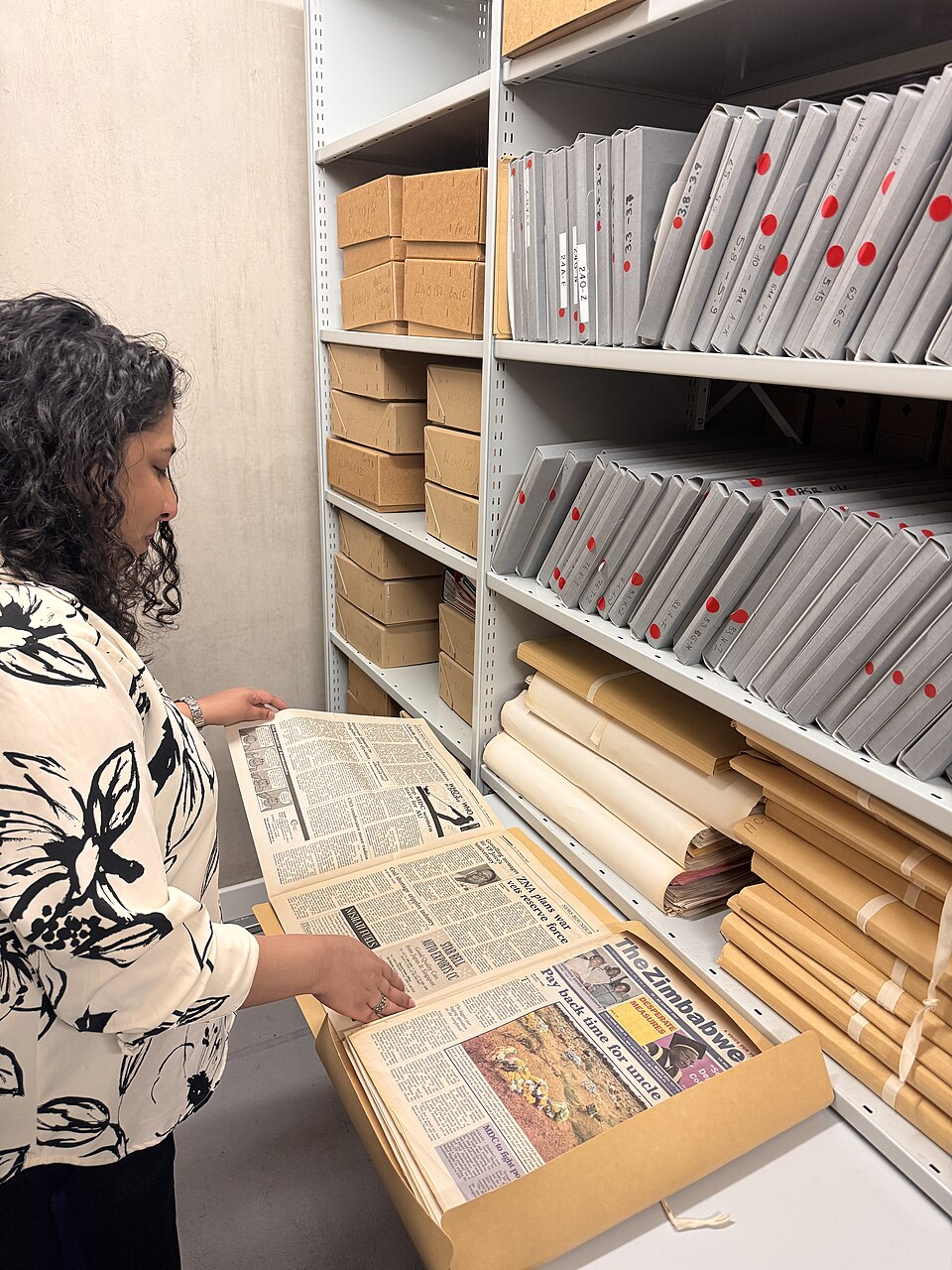
Featured image. An archivist with materials in the Black Cultural Archives repository, photographed in May 2026. Photograph: Susan Outlaw, 20 May 2026, via Wikimedia Commons; permission confirmed through the Wikimedia Volunteer Response Team. Image record · CC BY-SA 4.0
