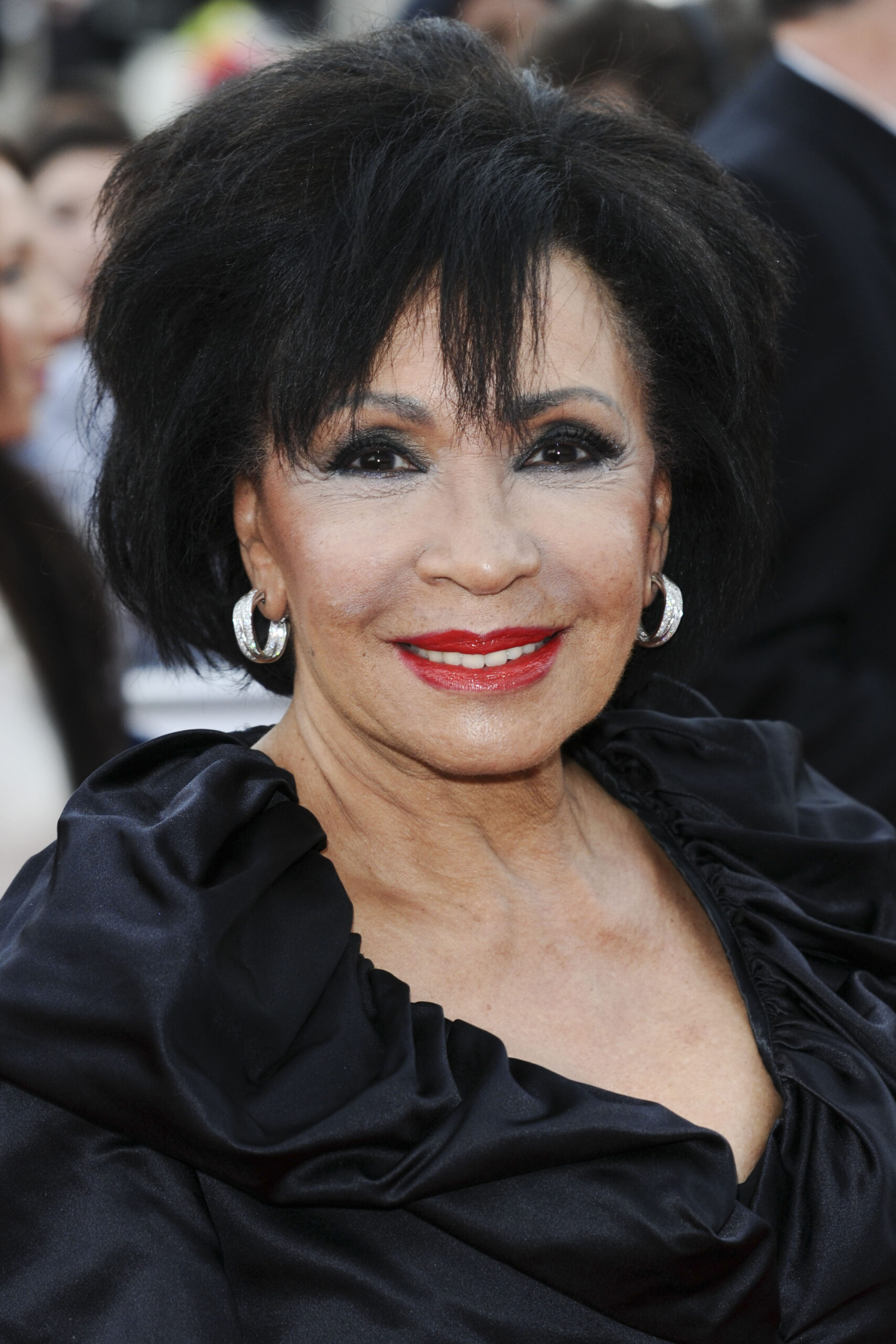
The voice at the centre of Goldfinger can sound like an unstoppable force. The recording archive reveals the work behind that sound. On a surviving session tape described by Abbey Road, Shirley Bassey works through takes, misses a cue and tests the demanding final note before achieving the finish. The result became part of cinema history, but it emerged from a working studio, with musicians, engineers and a singer making decisions. Bassey’s power was something she knew how to shape. 1
A beginning in Tiger Bay
Shirley Veronica Bassey was born in Tiger Bay, Cardiff, on 8 January 1937. Her father, Henry Bassey, was Nigerian, and her mother, Eliza Jane Start, was English. Wales remained the starting point of a career that would become international. Tiger Bay remained closely attached to her public identity long after the film themes brought worldwide recognition. 2
The youngest of seven children, she worked in a factory after leaving school and began her singing career as a teenager. In 1956 she appeared in the West End revue Such Is Life, an important step towards a wider audience. These beginnings belonged to a working entertainment circuit, where a singer had to hold attention in person. Bassey’s later command of the stage grew out of that early experience of making an impression before an audience. 3
Her career belongs to several histories at once: Welsh popular music, Black British achievement and the experience of a working-class woman becoming an international star. Cultural scholar Ros Jennings has explored how Bassey came to represent both Wales and Britain, while her Black heritage could become less visible within the familiar image of glamour. Keeping those beginnings in view gives her success its particular setting. The grand public figure and the girl from Cardiff are parts of the same life. 4
A recording star before James Bond
Bassey’s breakthrough on record arrived well before Goldfinger. As I Love You entered the British singles chart in December 1958 and reached number one in February 1959, remaining there for four weeks. By her early twenties, listeners were buying a record on which her voice carried the whole encounter. A growing career in live entertainment now had a substantial audience beyond the room. 5
That audience also crossed the Atlantic. Her success at New York’s Persian Room in 1961 established her as a popular live performer in the United States. The National Portrait Gallery’s account describes the combination that audiences came to recognise: dynamic singing, expressive gestures and striking gowns. She was developing a complete stage presence. The visual drama worked alongside the sound, making a song something an audience could watch as well as hear, with Bassey controlling the focus of both. 3
The work behind the Goldfinger voice
The familiar Bassey sound developed through experiment. Music historian Dominic Broomfield-McHugh identifies a range in her early recordings, including American songbook material and a lighter, more classical vocal approach. His study places the emergence of her richer, more emphatically dramatic interpretation around 1963–64. The celebrated power therefore had a history: she had tried different kinds of music and ways of using her voice before the combination associated with her most famous recordings came into focus. 6
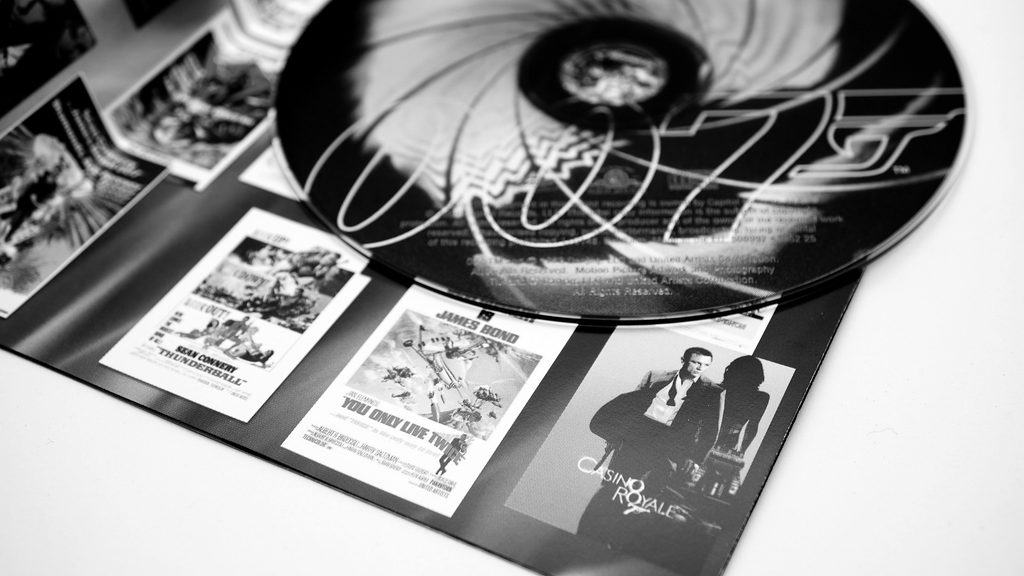
Goldfinger joined that voice to John Barry’s music and lyrics by Leslie Bricusse and Anthony Newley. Barry’s melody came first; the lyricists worked within its shape. Their song gave Bassey a vehicle for a sustained, commanding performance, in which the singer’s delivery became inseparable from the atmosphere of the film. 6
The 1964 recording also involved producer George Martin and the orchestral musicians working with Barry. Abbey Road’s account draws on the session archive, where the final note can be heard taking shape across attempts. That evidence reveals an artist at work: listening, adjusting and finding the breath and control the performance required. The apparent certainty of the finished record conceals those intermediate decisions. Its dramatic force depended on people making music together, even when one extraordinary voice became the sound audiences remembered. 1
Bond songs and a repertoire of her own
Bassey returned to Bond for Diamonds Are Forever in 1971. This time Barry’s music was joined by Don Black’s lyrics. The song became another lasting part of her repertoire, and she recorded it in Italian as well as English. The film series provided a recurring meeting place between the singer and writers who understood her dramatic possibilities. Each new song also asked her to establish its character, giving another performance a place beside the recording that had first linked her so strongly with Bond. 7
Moonraker followed in 1979, with music by Barry and lyrics by Hal David. Bassey’s third Bond title song came fifteen years after Goldfinger. The soundtrack includes her performances in both the opening and closing titles, allowing the song to appear in different musical settings within the same film. Across those years her voice had become a recurring presence in the series, able to connect a new screen adventure with an already familiar musical identity. 2, 8
Don Black’s own account of working with Bassey helps explain that identity. He admired the intensity with which she entered a song and the confidence that she would give its words a forceful performance. Discussing Diamonds Are Forever, he also emphasised sensuality and the attraction of drawing listeners into a story. The lyricist’s perspective makes the partnership clearer: carefully chosen words met a singer who could give them emphasis, movement and an apparent life of their own. 9
Her stage repertoire extended far beyond Bond. Big Spender came from Sweet Charity, with music by Cy Coleman and lyrics by Dorothy Fields. Bassey kept revisiting its theatrical possibilities; Broomfield-McHugh’s comparison of performances across several decades shows how she altered the humour and presentation as her relationship with the song changed. 6, 10
She also reached television audiences through her own BBC series in 1976, alongside concert tours and regular Royal Variety appearances. 3
History Repeating and a new musical encounter
In 1997 Bassey appeared with the electronic duo Propellerheads on History Repeating. Alex Gifford and Will White came from a different musical environment, but Gifford heard the possibility of a Bassey performance in a developing track. As he later told DJ Mag, he made a demo and sent it to her management. The answer was initially discouraging, then changed. What began as an unlikely proposal became a recording that brought her voice into direct contact with contemporary dance music. 11
The session involved more preparation than the apparent novelty of the pairing might suggest. Gifford recalled Bassey arriving with her musical director, who had written out the music from the demo and conducted her. She asked how they wanted the song sung. She participated in the session, bringing her established technique into a new recording and asking what this particular performance needed. 11
Bassey remembered the collaboration in practical terms too. In a 2023 interview, she explained that she liked the song, while the writers wanted a delivery different from the one she initially offered. They worked towards the sound together. That recollection is revealing because it gives her longevity an active quality. A recognisable voice did not mean every recording could be approached in the same way. She could bring her experience to a session and still respond to another musician’s direction. 12
Glastonbury, the Roundhouse and fresh songs
At Glastonbury in 2007, even her footwear made the meeting between performer and place visible. Bassey wore wellington boots decorated with diamante, adapting the festival’s practical uniform to her own presentation. The V&A includes them in its account of how performers have brought glamour to festival clothing. It was a small, memorable accommodation to a different stage: an established concert artist entering the world of festival crowds without surrendering the sense of occasion she brought to a performance. 13
New material remained part of that work. For the 2009 album The Performance, producer David Arnold assembled songs from writers including the Pet Shop Boys, Rufus Wainwright, Gary Barlow, Richard Hawley and the Manic Street Preachers. These were writers with distinct musical careers of their own, contributing to an album centred on her interpretation. The project placed Bassey in conversation with contemporary songwriting while retaining the scale and individuality of the performer for whom the material was being prepared. 14
The Pet Shop Boys contributed The Performance of My Life. Neil Tennant and Chris Lowe attended her Electric Proms concert at London’s Roundhouse in October 2009, where she performed the song ahead of the album’s release. Newly written material entered a concert programme alongside songs associated with her much longer career. 14
Asked years later to choose a performance she remembered with particular satisfaction, Bassey named that Electric Proms concert. She recalled singing new songs on stage for the first time during a live television and radio broadcast. Her description included the audience, musicians, venue and Julien Macdonald gown: separate elements contributing to one occasion. The memory conveys the continuing demands of performance, even for an artist with decades of experience. She was still presenting unfamiliar material and judging herself by how it came alive. 12
Choosing the songs for a farewell album
Released in November 2020, I Owe It All to You was presented by Decca as Bassey’s final album. It combined new material written for her with songs she selected to reflect her life and career. She intended the collection as an expression of gratitude to her audience and to the music that had accompanied her. Choosing the repertoire was itself part of the performance: deciding which songs could carry that sense of a long relationship between singer and listener. 15
The album entered the UK chart at number five. Official Charts recorded a further distinction: Bassey became the first female artist to achieve a Top 40 album in seven consecutive decades. Her first album-chart appearance had been in 1961. The span connects audiences who encountered her through very different records and performances, from the early LP years to the release of this final collection. By 2020, a career begun in the 1950s was still producing a significant response to newly recorded music. 16
Returning to Wales and supporting future performers
Public recognition continued. In July 2024 Bassey received the insignia of a Companion of Honour from the King at Windsor Castle, following the award for services to music in that year’s New Year Honours. It marked a career whose reach extended far beyond Wales while remaining closely identified with it. 17
Her relationship with Welsh music also has a practical expression at the Royal Welsh College of Music & Drama. Through her support, the college established a scholarship in her name. During a visit to its production of Sweet Charity, she met students who had benefited and spoke about helping to provide training she had not been able to access when young. Her support recognised the preparation behind a professional performance, including the work undertaken before any audience takes its seats. 18
After the show, Bassey spent time with the cast, stage managers, designers and musicians. The production included Big Spender, now performed in front of the singer who had made it such a familiar part of her own concerts. That encounter brings several parts of her story together: a song passed between performers, the craft shared across a company and a return to Cardiff. The voice that travelled so far could also help younger artists find the training and confidence to begin their own work. 18
Sources
1. Naomi Pineda, Abbey Road — The story behind Shirley Bassey’s Goldfinger (2022).
2. Royal Albert Hall archive — Dame Shirley Bassey, biographical record.
3. National Portrait Gallery — Dame Shirley Bassey, Devotional exhibition biography (2007).
5. Official Charts — As I Love You, weekly singles chart history.
7. James Bond 007 — Diamonds Are Forever soundtrack: recording and songwriting credits.
8. James Bond 007 — Moonraker soundtrack: recording and songwriting credits.
9. James Bond 007 — David Arnold and Don Black interviews.
10. Concord Theatricals — Sweet Charity, authors and musical numbers.
11. Andrew Whitehurst, DJ Mag — Game Changers: History Repeating, interview with Alex Gifford (2014).
12. Simon Button, Attitude — Dame Shirley Bassey interview (2023).
13. Victoria and Albert Museum — Fashioning Glastonbury Festival.
14. Pet Shop Boys — The performance of her life (24 October 2009).
15. Decca Records — I Owe It All to You, original release information (2020).
16. Official Charts — I Owe It All to You sets an Official Chart record (2020).
17. ITV News Wales — Dame Shirley Bassey honoured at Windsor Castle (9 July 2024).
Image credit
Shirley Bassey photographed during television recordings, January 1971. Photograph: Rob Mieremet / Anefo, Nationaal Archief; cropped version via Wikimedia Commons. Image source; CC BY-SA 3.0 Netherlands.






Join the conversation
Comments 0
Share a memory, ask a question or add to this story.
No comments yet. Add your perspective.
Add your voice
Create a free account and verify your email to leave a comment.
All comments are reviewed before publication.