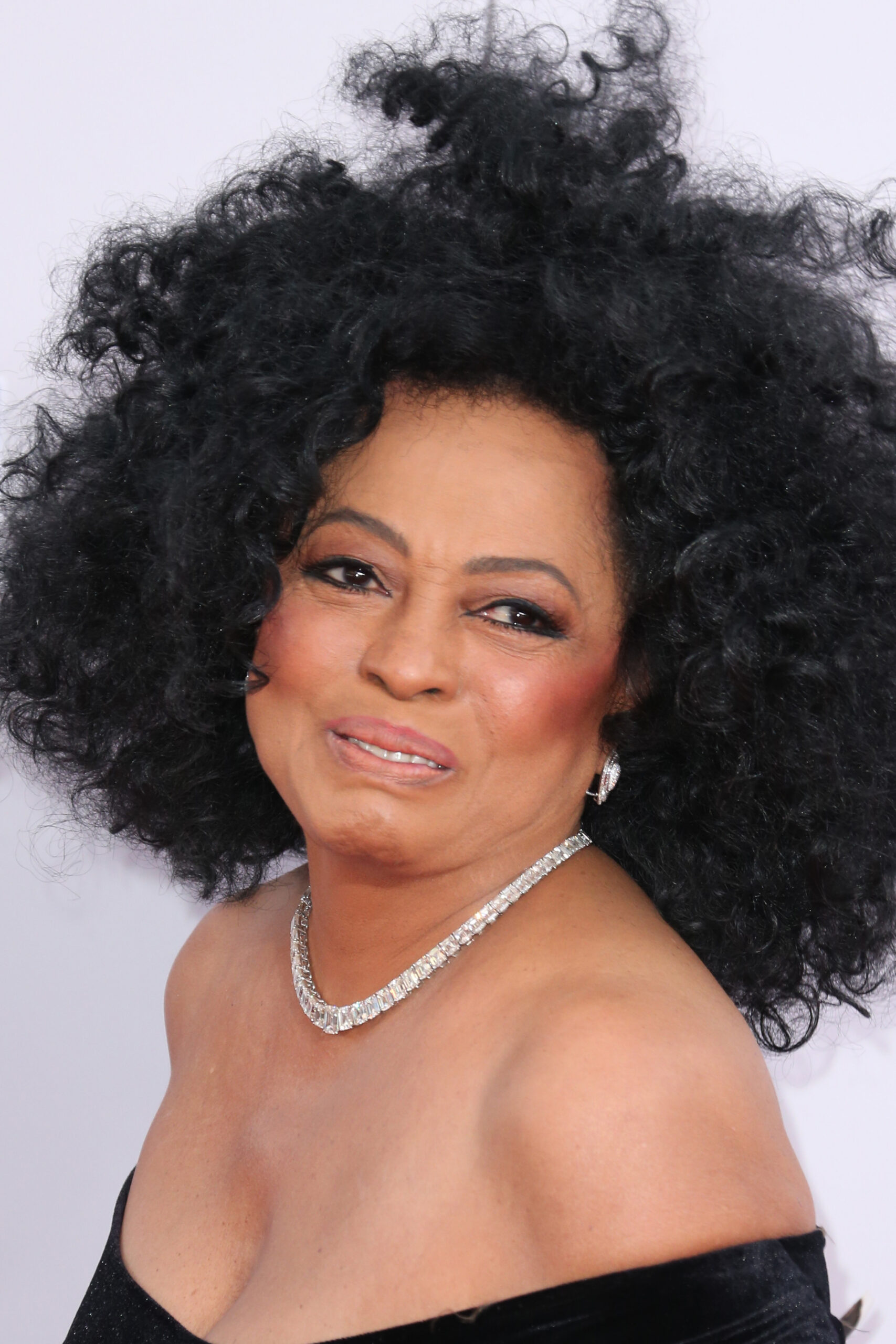
When Diana Ross appeared on Glastonbury’s Pyramid Stage on 26 June 2022, she began with “I’m Coming Out”. Her Sunday legends set moved between Supremes songs and solo recordings: “Baby Love”, “You Can’t Hurry Love”, “Chain Reaction” and “Ain’t No Mountain High Enough” belonged to different chapters of the same career. In a Somerset field, an American singer’s history could be heard through songs that had travelled across countries and generations. 1
Detroit and the beginnings of a singing life
Ross was born in Detroit on 26 March 1944. She lived in the city’s North End before spending her teenage years in the Brewster-Douglas housing projects, and attended Cass Technical High School. Smokey Robinson was a neighbour from her earlier home. The future recording industry was close to everyday life: people who would become famous were first encountered as neighbours, friends and members of local singing groups. 2
The group that brought Ross together with Florence Ballard, Mary Wilson and Betty McGlown was initially called the Primettes. Barbara Martin later replaced McGlown. They signed to Motown in 1961 as the Supremes, beginning a recording career that did not immediately bring success. Several early releases made little commercial impression before the breakthrough arrived. 3
Talking to Andy Warhol in 1981, Ross remembered a childhood surrounded by music, including gospel singing within her family and the records her mother played. Children took radios and record players outside and sang together. She also recalled asking Robinson to listen to her group. These memories place the beginnings of her career within a social world of listening and imitation, before contracts, touring schedules and professional stagecraft became part of it. 4
The sound and style of the Supremes
Brian Holland, Lamont Dozier and Eddie Holland became crucial collaborators. Their writing and production helped the Supremes find success with “When the Lovelight Starts Shining Through His Eyes” in 1963 and “Where Did Our Love Go” the following year. “Baby Love”, “Come See About Me” and “You Keep Me Hanging On” followed. The group’s rise rested on the meeting of these songs with the singers who gave them their familiar sound. 3
Performance was carefully developed. Berry Gordy’s artist-training programme brought the group under the guidance of Maxine Powell, who taught presentation and television manners. Cholly Atkins created dance routines, while musician Maurice King worked on music and spoken introductions. The coordinated movements seen in surviving performances were learned skills. Ross, Wilson and Ballard had to make the music visible, projecting a shared presence across a theatre or into a television camera. 5
Clothing belonged to the same process. Designers including Bob Mackie and Michael Travis created increasingly elaborate stage costumes, with sequins chosen for their effect under studio lighting. Wigs, jewellery and makeup completed the presentation. Later Supremes line-ups included Cindy Birdsong, Jean Terrell and Scherrie Payne, and the V&A’s exhibition on the group included costumes from different periods. The familiar trio was part of a longer history of performers creating a presence together. 5
Leaving the group and finding a solo sound
In 1967 Cindy Birdsong replaced Florence Ballard, and the act became Diana Ross and the Supremes. Ross left in 1970 and Jean Terrell took her place. The Supremes continued with changing line-ups, eventually disbanding in 1977. A solo career was beginning, but the group’s story continued beyond its best-known lead voice. 2, 3
Her 1970 solo debut brought her together with Nickolas Ashford and Valerie Simpson. They transformed their song “Ain’t No Mountain High Enough”, previously recorded by Marvin Gaye and Tammi Terrell, into an extended performance with spoken passages, choir and Paul Riser’s orchestration. In a later interview, Riser described its symphonic character. Ross’s delivery worked inside a new musical structure: the familiar song could unfold gradually, using speech and changes of intensity before reaching its climax. “Reach Out and Touch (Somebody’s Hand)”, also written by Ashford and Simpson, offered another part of the new repertoire. 7
Acting, fashion and the cinema screen
Lady Sings the Blues, released in 1972, gave Ross her feature-film debut as Billie Holiday. Sidney J. Furie directed, with Billy Dee Williams and Richard Pryor among the cast. The screenplay was credited to Terence McCloy, Chris Clark and Suzanne de Passe. It drew on Holiday’s autobiography but reshaped events and used composite or fictional characters. Ross was therefore performing a dramatic interpretation of another singer’s life, within a film that should be distinguished from a full historical account of Holiday. 8
Critic Roger Ebert wrote that his doubts about the casting disappeared almost immediately when he saw Ross’s dramatic performance. The response extended beyond music audiences: at the 1973 Academy Awards she was nominated for best actress, alongside Cicely Tyson for Sounder. Liza Minnelli won for Cabaret. Ross’s nomination recognised a specific screen performance, opening another way of understanding an artist already known through records and concerts. 9, 10
Mahogany, in 1975, allowed her to connect acting with an interest in fashion design. As Tracy, an aspiring designer whose career takes her from Chicago to Rome, Ross inhabited a world where clothing expressed ambition and status. She also designed costumes for the production, with assistance from Susan Gertsman. The work ranged from everyday dress to extravagant fashion-show creations. Her involvement reached beyond wearing the clothes: designing them became part of how she helped construct the film’s visual world. 11
That work continued to matter to designers. In a 2025 Harper’s Bazaar feature, fashion historian Rikki Byrd described Tracy’s struggle to be taken seriously as a Black woman in a creative profession. Designer Brandon Blackwood discussed how the film made success in fashion feel achievable. Their responses identify a particular influence: Ross’s character and costumes offered a screen image of Black creative ambition that later practitioners could recognise. 12
In The Wiz, released in 1978, Ross played Dorothy in Sidney Lumet’s screen adaptation of the stage musical. Michael Jackson was the Scarecrow, Nipsey Russell the Tin Man and Ted Ross the Lion; Lena Horne appeared as Glinda. Quincy Jones arranged and supervised the music, drawing on Charlie Smalls’s score. New York locations became a fantasy landscape, with subway spaces and the city’s architecture incorporated into the journey through Oz. Ross’s singing now worked within an ensemble musical adventure. 13
The studio and the dance floor
Her recording career was changing at the same time. “Love Hangover”, released in 1976, was written by Pam Sawyer and Marilyn McLeod and produced by Hal Davis. Its musicians included keyboard player Joe Sample and drummer James Gadson. Sawyer, a British expatriate, had also co-written the Supremes’ “Love Child”. On the same 1976 album, Ross produced “Ain’t Nothin’ But a Maybe” herself. Interviewed about the album, she explained that she enjoyed different kinds of music and did not want her singing confined to one category. 14
Ashford and Simpson returned for The Boss in 1979. Simpson later recalled that Ross wanted songs reflecting greater control over her life. The title track began as a ballad before Simpson gave it a faster tempo. This was a practical musical transformation, with rhythm changing the character of the song. Their sessions joined storytelling to the demands of the dance floor, providing Ross with material that could be both personal and physically exuberant. 7
The next major partnership brought her together with Chic’s Nile Rodgers and Bernard Edwards. Rodgers explained that they spent days interviewing Ross before making the album diana, building songs around what she told them. They wanted material shaped specifically for her. That process gave the singer a place in the development of the record before she approached the microphone: conversation about her life became part of the producers’ preparation. 15
The album did not reach shops in the producers’ original mix. Ross turned to Motown engineer Russ Terrana, who remixed it, using alternative vocals or bringing her singing further forward. Released in 1980, diana included “Upside Down” and “I’m Coming Out”. The original Chic mixes were later issued, allowing listeners to hear different versions of the same songs. The comparison makes production audible: balance, emphasis and the relationship between voice and instruments can change how a recording feels. 16
Rodgers conceived the opening of “I’m Coming Out” as a fanfare announcing Ross’s arrival. He also explicitly connected the title to her gay following and the language of coming out. The song could introduce a concert while carrying another meaning for listeners. His account explains how the writers built several purposes into one recording, with the opening instrumental phrase preparing the space for the singer’s entrance. 15
A show built for its audience
Ross’s own account of performing was equally attentive to construction. In her 1981 Warhol interview, she described changing sets and presentation when she began another round of appearances. She wanted a new visual experience while retaining songs audiences expected to hear. She discussed horn players, strings, separate platforms and a glossy black stage design, treating the whole show as a creative undertaking. The familiar repertoire provided continuity; the way it was presented could keep changing. 4
Her Central Park concerts in July 1983 put the performer’s relationship with a crowd under unusual pressure. Rain and strong wind interrupted the first show on 21 July. Ross continued for part of the set and urged people to remain calm before the performance ended. She promised to return and gave another concert the next day. The event became part of her performing history because of both the interrupted show and the fulfilled promise. 20
A physical connection with the park followed. Ross funded the playground that bears her name near the West 81st Street entrance, below Summit Rock. The Central Park Conservancy records the link between that contribution and the 1983 concert. The result was a place designed for children’s play, with climbing structures and swings: an everyday public use for a name associated with a large-scale entertainment event. 21
A continuing connection with Britain
British audiences had encountered Ross with the Supremes long before her solo years. The group visited Europe in 1964 and returned on the Motortown Revue’s 1965 tour. Stevie Wonder, Martha and the Vandellas and the Miracles were among the other performers, backed by Earl Van Dyke and the Soul Brothers. The itinerary linked the British dates to a final Paris concert. These tours presented Motown as a company of artists, introducing audiences to several different voices together. 6
As a solo performer, she reached the top of the UK singles chart with “I’m Still Waiting” in 1971. Official Charts records four weeks at number one. The single entered the chart at the end of July and remained listed into October. It provided a substantial British success early in her independent career, establishing that her connection with listeners continued after she had left the group. 17
“Chain Reaction”, her collaboration with the Bee Gees, brought another UK number one in 1986, spending three weeks at the top in March. Her international repertoire also included “Endless Love”, the 1981 duet with Lionel Richie. Such recordings placed her voice in different settings, from a duet to a dance-oriented pop single. By the time she reached Glastonbury, British listeners had encountered successive versions of Ross across decades of record releases. 18, 19
New songs alongside the familiar ones
Thank You, released in November 2021, added new material to that repertoire. Recorded in her home studio, the album involved Ross as a co-writer and collaborator, with contributors including Jack Antonoff, Troy Miller, Amy Wadge and Jimmy Napes. She described the recording period in terms of gratitude and the pleasure of singing. For the “All Is Well” video, director Amanda Demme worked with Ross’s sons Evan, as producer, and Ross Naess on photography. Family and newer musical collaborators participated in another phase of recording. 22
At Glastonbury the following June, the older hits shared the programme with material from Thank You. Ross spoke about her time away from touring and the pleasure of performing in daylight, when she could see people’s faces. She invited the crowd to dance; during “Upside Down”, a line of security staff performed a routine. There was a long catalogue behind her, and new songs to place beside it. 1
Sources
1. ITV News: Diana Ross reels off the hits during legends slot at Glastonbury (26 June 2022).
2. Detroit Historical Society: Ross, Diana.
3. Motown Museum: The Supremes.
4. Andy Warhol interviews Diana Ross (1981), republished by Interview as New Again: Diana Ross.
5. Victoria and Albert Museum: The story of the Supremes.
6. Classic Motown: The Supremes — The Story Behind the Image.
7. Christian John Wikane interviews Valerie Simpson and musicians: She’s the Boss, PopMatters (2019).
8. American Film Institute Catalog: Lady Sings the Blues (1972).
9. Roger Ebert: Lady Sings the Blues (1972 review).
10. Academy of Motion Picture Arts and Sciences: The 45th Academy Awards, 1973.
11. Jessica Pickens, Turner Classic Movies: Follow the Thread — 70s Styles (2022).
13. American Film Institute Catalog: The Wiz (1978).
14. Classic Motown: Diana Ross — Diana Ross (1976 album).
15. Nile Rodgers interview, Red Bull Music Academy, Madrid 2011.
16. Universal Music Canada: Diana — The Original Chic Mix (2017 release notes).
17. Official Charts: I’m Still Waiting — Diana Ross.
18. Official Charts: Chain Reaction — Diana Ross.
19. Official Charts: Diana Ross artist history.
20. Diana Ross official website: My Story.
21. Central Park Conservancy: Diana Ross Playground.
22. Universal Music Canada: Diana Ross new album Thank You out today (5 November 2021).





Join the conversation
Comments 0
Share a memory, ask a question or add to this story.
No comments yet. Add your perspective.
Add your voice
Create a free account and verify your email to leave a comment.
All comments are reviewed before publication.