
For Skunk Anansie’s Glastonbury headline performance in 1999, designer Cathryn Roberts made Skin a suit from cassette tape. In the singer’s published recollection, the material caught the light as she moved across the Pyramid Stage. When she reached the crowd, fans pulled pieces away and the costume gradually unravelled. It was a striking meeting of music, design and physical performance, with a Black woman from Brixton commanding one of Britain’s most prominent stages. 1
The sounds of Brixton and the freedom of art school
Known professionally as Skin, Deborah Dyer grew up in Brixton with Jamaican parents. 2, 4
Her grandfather ran a basement club, where reggae and ska accompanied nights of dancing. Looking back for The Big Issue, Skin remembered watching from the stairs. She also explained the club’s social purpose: Black people excluded from other venues had created places of their own. At home, Top of the Pops opened another musical world. David Bowie and Boy George suggested possibilities beyond the sounds she already knew, offering startling combinations of music, appearance and identity. 3
At Teesside, she studied Interior Architecture and Design, graduating in 1989. The qualification preceded her musical fame; the university later awarded her an honorary Master of Arts in 2000. Her route towards the stage therefore included formal training in a visual discipline, years before elaborate costumes became part of her public image. 4
Music developed alongside those studies. In a 2019 interview, she recalled singing jazz standards with a student who needed someone to accompany his piano practice. Initially shy, she became an entertainments officer in the students’ union and joined a band. Later, back in London, she combined an interior-design office job with singing in jazz clubs. The competing demands became unsustainable, and she left the office work to pursue the life she was building through music. 5
Finding the musicians who became Skunk Anansie
Skunk Anansie emerged in 1994 from the music scene around King’s Cross. Guitarist Martin “Ace” Kent recalled knowing Skin and bassist Richard “Cass” Lewis through the Splash club. Skin and Cass wanted a new group; Ace brought an amplifier and pedals to play with them. He remembered following Cass’s demanding basslines, finding riffs and discovering how readily they worked together. Their formation grew from musicians who already knew the frustrations of being in other bands. 6, 18
Ace’s account also puts collaboration at the centre of the group’s early identity. He regarded strong lyrics and strong music as equally necessary, while describing their politics as a response to social conditions rather than allegiance to a party. Skin supplied the voice audiences immediately recognised, but the force around her depended on the other players. The guitar could move between heavy distortion and cleaner sounds, creating room for both attack and delicacy within a performance. 6
Skin’s own account of discovering Rage Against the Machine identifies another important ingredient. Hearing their music in a club, she recognised a combination of force and political expression she wanted to explore. She had already been writing political material. The encounter offered a sound through which those concerns could travel, bringing the energy of heavy music into contact with subjects that mattered to her. 3
Songs with power, melody and vulnerability
The first albums established an audience for that approach. Paranoid & Sunburnt reached number eight in the UK album chart after its 1995 release; Stoosh reached number nine the following year. The singles carried the band further into everyday listening. Hedonism (Just Because You Feel Good) reached number thirteen, and Brazen “Weep” reached number eleven. Listeners could encounter the band through radio-sized songs as well as the weight and intensity of their concerts. 7
That intensity required vocal control. Discussing Charity, Skin described the difficulty of moving from a forceful passage into delicate singing, with breath and physical support needing to adjust immediately. Hedonism came from a different starting point: the pain of a first relationship ending. She recalled bringing an early version to the band, whose response pushed her to develop its chorus. Personal experience supplied material, but the song also took shape through other musicians questioning what it needed. 8
She later described songwriting within Skunk Anansie as a shared activity in which bandmates had opinions about the lyrics and their meaning. Their disagreements involved discussion, with each person able to defend an idea. The songs could begin with experiences from within the group or with something affecting a friend. Those working conversations gave political writing a human scale, rooted in situations they knew rather than a requirement to deliver a slogan in every song. 9
Taking the Pyramid Stage and shaping the spectacle
By the summer of 1999, the band had released Post Orgasmic Chill, their third album. Its singles included Charlie Big Potato and Secretly, both UK Top 20 records. They brought that growing repertoire to Glastonbury. 7
In her memoir, she recalls headlining the Sunday night with a seventeen-piece orchestra. The production used sections of mirrored tiles that could alter the mood as the lighting changed. She also remembers criticism that the band did not belong at the top of the bill, and the pressure to demonstrate that they did. Her account joins the exhilaration of the performance to the resistance surrounding it: a major opportunity secured, prepared for and delivered with the whole band. 1
The physical demands of that style continued across her career. Speaking about touring in 2025, Skin explained that she had become careful about excess because she could not afford to lose her voice. An energetic performance depended on being able to repeat it in another city. Protecting the instrument meant changing what happened after a concert as well as what happened on stage, a practical discipline behind the apparent abandon audiences came to see. 19
Solo records and the craft of the DJ booth
Skunk Anansie separated in 2001. Skin later described a loss of chemistry after overwork and exhaustion, while emphasising that friendships survived. Members continued to see one another and contributed to her solo work. The break created room for separate careers without erasing the relationships that had made the group possible. 9
Her solo debut, Fleshwounds, appeared in 2003, followed by Fake Chemical State in 2006. Reviewing the second record at the time, Hot Press heard a range extending from guitar-driven punk to ballads and psychedelic pop. These albums gave Skin a setting in which the listener followed her across changing moods, outside the established identity of Skunk Anansie. The voice remained recognisable while the surrounding material offered another route through its expressive possibilities. 10
She was also developing a parallel career with decks and a mixer. Her official biography traces an important step to 2009, when DJ Damien Lazarus sold her a Pioneer mixer. She went on to play techno and house in clubs including Fabric in London and Output in New York. These appearances placed her in rooms organised around continuous dancing, using a different set of tools to guide the audience through music. 11
With producer and DJ Nicole Moudaber, she made the five-track Breed EP in 2015. In a conversation between the two musicians, Skin explained that their songs developed in the studio itself. That differed from the band’s usual practice of preparing songs well before recording. They could make changes as ideas arrived, then work on how the vocals and groove belonged together. The collaboration required her to respond to a different creative process. 12
DJing also changed the relationship with the room. Skin explained that a rock audience generally came to watch the band, while clubbers came principally to dance. A famous name could not replace an ability to read that mood. She openly acknowledged making mistakes as she learned, and stressed the technical knowledge and attention a good set required. Her standing as a singer had given her opportunities, but the work still had to earn its place. 12
Rebuilding the band and making The Painful Truth
The band reunited in 2009, and the reunion eventually developed into a renewed recording life. By 2025, however, they were asking difficult questions about continuing. In an interview with Kerrang!, Skin said the quality of new songs would determine their future. The group had spent decades together, but that history did not settle what they should record next or whether the next chapter would justify itself musically. 13
The reunited line-up brought Skin, Ace and Cass back together with drummer Mark Richardson. 18
Attempts to work remotely during the pandemic had exposed how much they relied on being together. For The Painful Truth, they worked with David Sitek of TV on the Radio, whose production helped them reconsider the familiar shape of their music. Released in 2025, it was their first studio album in nine years. Electronic elements and new arrangements became part of an effort to make a record that moved their work forward. 13
The sessions in Los Angeles began from lyrics rather than defaulting to guitar riffs. In the band’s account to Classic Rock, Sitek encouraged experiments while keeping strong choruses in view. Ace described arrangements that felt unusual even when he returned to learn how to play them. Skin also discussed using humour to carry serious subjects. The record’s construction involved adjusting how a message reached the listener, alongside changing the textures surrounding her voice. 14
The Painful Truth reached number seven in the UK album chart, three decades after the band’s debut. 15
Telling her story and making space for listeners
Skin’s memoir, It Takes Blood and Guts, was written with Lucy O’Brien, the music writer and author of She Bop. Their friendship dated from 1995, giving the collaboration a connection to the years it revisited. The book places a Black, gay, working-class woman’s experiences within the history of British music, including the practical struggle to write, produce and perform. It also lets Skin explain the pressures behind a public image that could seem entirely fearless. 2
Her concerts have offered a related form of recognition to listeners. In a 2022 interview, she spoke of the freedom people could find at a Skunk Anansie show. Journalist Ian Winwood had observed same-sex couples and women of colour among the audience at a Brixton performance. Skin understood the concert as somewhere people could spend time being themselves. That relationship with an audience sits alongside the records and festival appearances in her account of a successful career. 18
In 2021 she was awarded an OBE for services to music. Teesside celebrated the recognition of a former student whose professional life had carried her far beyond the subject of her original degree. 4
Bringing professional experience into the classroom
The same year, Skin became the first Chancellor of Leeds Arts University. The institution describes the position as ceremonial and ambassadorial, with a responsibility to represent the university and the creative sector. Her connection therefore linked an established performer with a community training in music, art and design. It brought several strands of her own creative experience into one setting. 16
In April 2025, she returned with Ace for a workshop with music students. Some performed original material, receiving feedback on lyrics, performance and artistic identity. Filmmaking students recorded the session, while the musicians answered questions about their careers. Skin and Ace then invited students to the band’s soundcheck at the O2 Academy Leeds, where they could examine the equipment and preparation behind a professional show. 17
Students could discuss their own songs with Skin and Ace, then watch them prepare for a concert. The invitation carried those classroom conversations onto a working stage, where they could see how equipment, rehearsal and musical decisions came together before the audience arrived. 17
Sources
1. Skin and Lucy O’Brien — It Takes Blood and Guts: Glastonbury memoir extract, The Quietus (2020).
2. Simon & Schuster — It Takes Blood and Guts, book and author information.
3. The Big Issue — Skin: The Music That Made Me, original interview (2022).
4. Teesside University — Royal recognition for two Teesside honorary graduates (2021).
5. Kiran Acharya, Kerrang! — Skin on life, music and fighting racism, original interview (2019).
6. Paul Guy, Fuzz — Skunk Anansie’s Guitar Ace, original interview (1997).
7. Official Charts — Skunk Anansie, singles and albums chart history.
8. Matt Stocks, Louder — Skin shares the stories behind ten Skunk Anansie songs (2026).
9. Dave Goodwin, Pennyblackmusic — Skunk Anansie, interview with Skin (2013).
10. Adrienne Murphy, Hot Press — Fake Chemical State, contemporary album review (2006).
11. Skin — Official artist biography.
12. Dancing Astronaut — Nicole Moudaber and Skin interview each other about Breed (2015).
15. Official Charts — The Painful Truth, UK album chart record.
16. Leeds Arts University — Our Chancellor.
17. Leeds Arts University — Chancellor Skin visits music students (15 April 2025).
18. Ian Winwood, Kerrang! — Skin on the freedom audiences find at Skunk Anansie concerts (2022).
19. Mark Sutherland, Kerrang! — Life on the road with Skin, original interview (2025).
Image credit
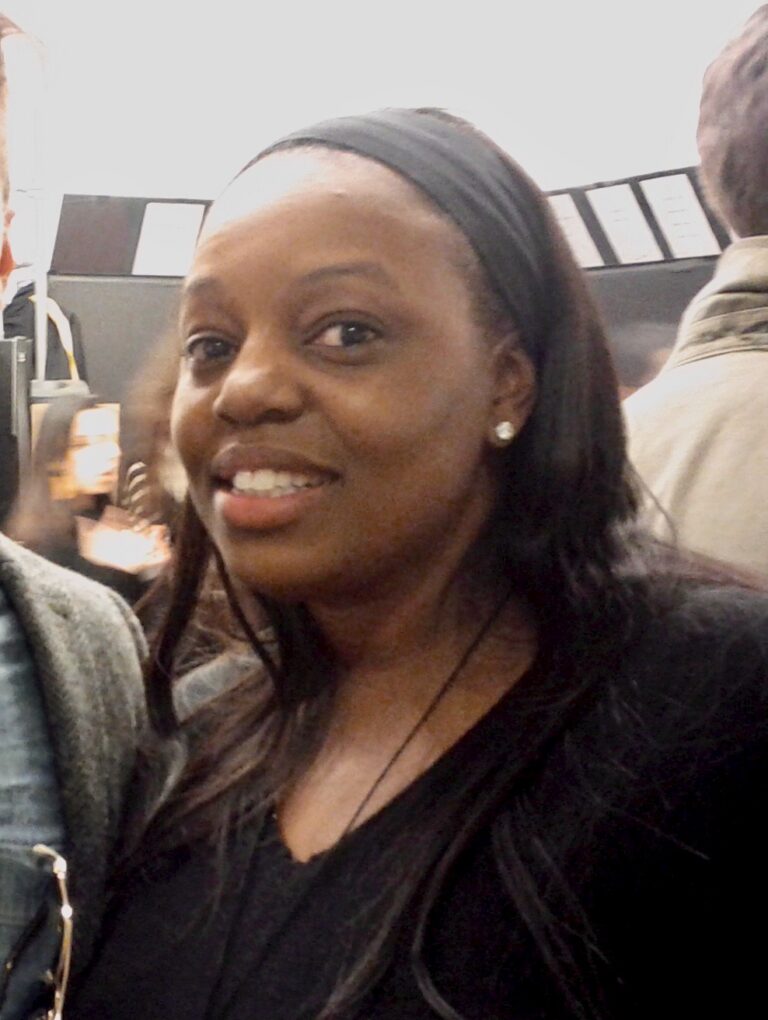
Skin performing with Skunk Anansie in Landerneau, France, August 2016. Photograph: Tilly antoine, via Wikimedia Commons. Image source; CC BY-SA 4.0.







Join the conversation
Comments 0
Share a memory, ask a question or add to this story.
No comments yet. Add your perspective.
Add your voice
Create a free account and verify your email to leave a comment.
All comments are reviewed before publication.