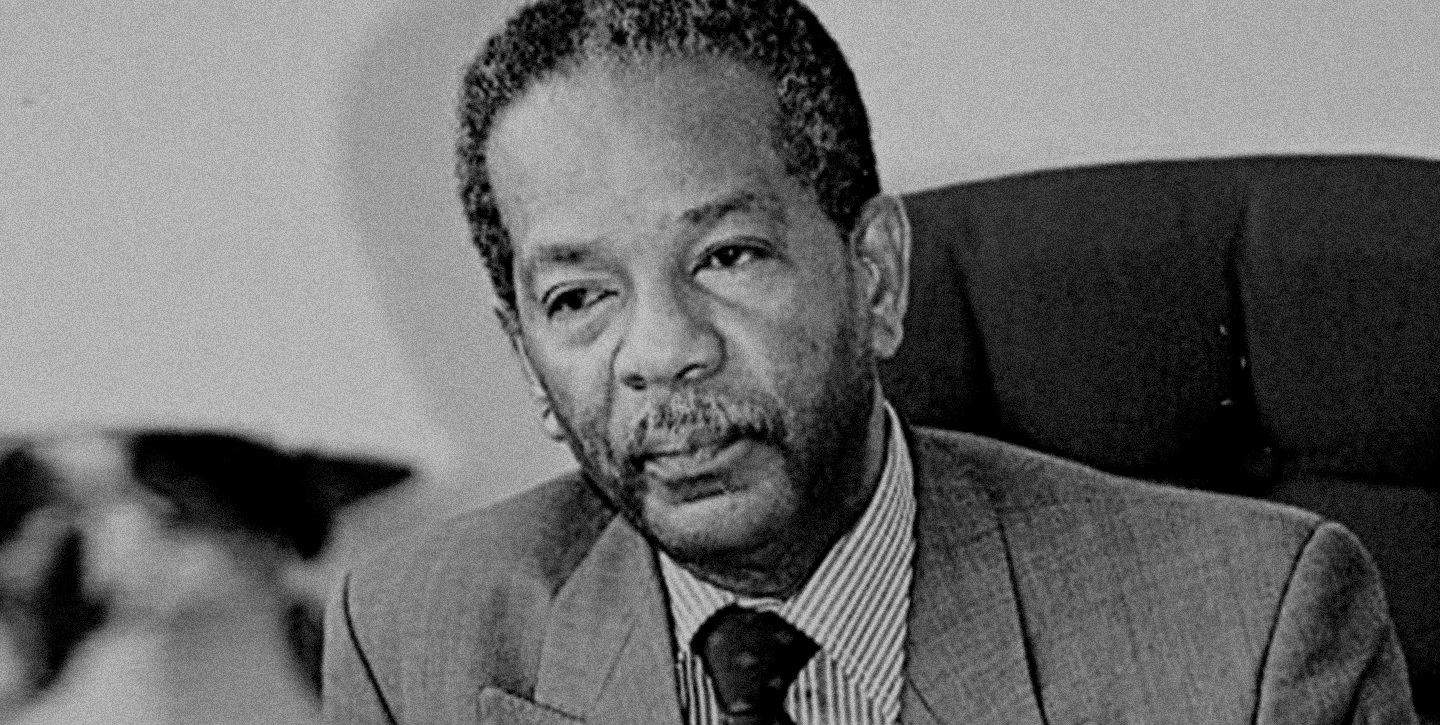
When The Voice appeared for Notting Hill Carnival in August 1982, its first front page reported on a Pakistani family in east London facing attacks from a racist gang. The choice established something important about the newspaper Val McCalla had helped to create. The experiences of people living with racism could lead the news. The paper began with an editorial decision: to give space and prominence to a family whose circumstances demanded to be heard. 1
From Kingston to London
McCalla was born in Jamaica in 1943 and studied accountancy at Kingston College. He came to Britain at fifteen, carrying ambitions that initially pointed towards the Royal Air Force. A perforated eardrum prevented him from becoming a pilot, and bookkeeping became his route into working life. The newspaper founder had first trained in the practical business of keeping accounts, and his working life changed direction before publishing became its defining enterprise. 2
His connection with newspapers developed through the East End News, a local cooperative publication. Its former editor Mike Jempson recalled McCalla arriving at the office because his son was spending time there taking photographs. McCalla became interested in the work himself. Jempson’s account describes a paper supported by local organisations and dealing with the familiar difficulty of unpaid advertising bills. It also carried a Black Voices page produced with Black and Asian organisations. McCalla encountered a working example of local people using print to address their own concerns, alongside the financial pressures involved in keeping it going. 3
A newspaper for a new generation
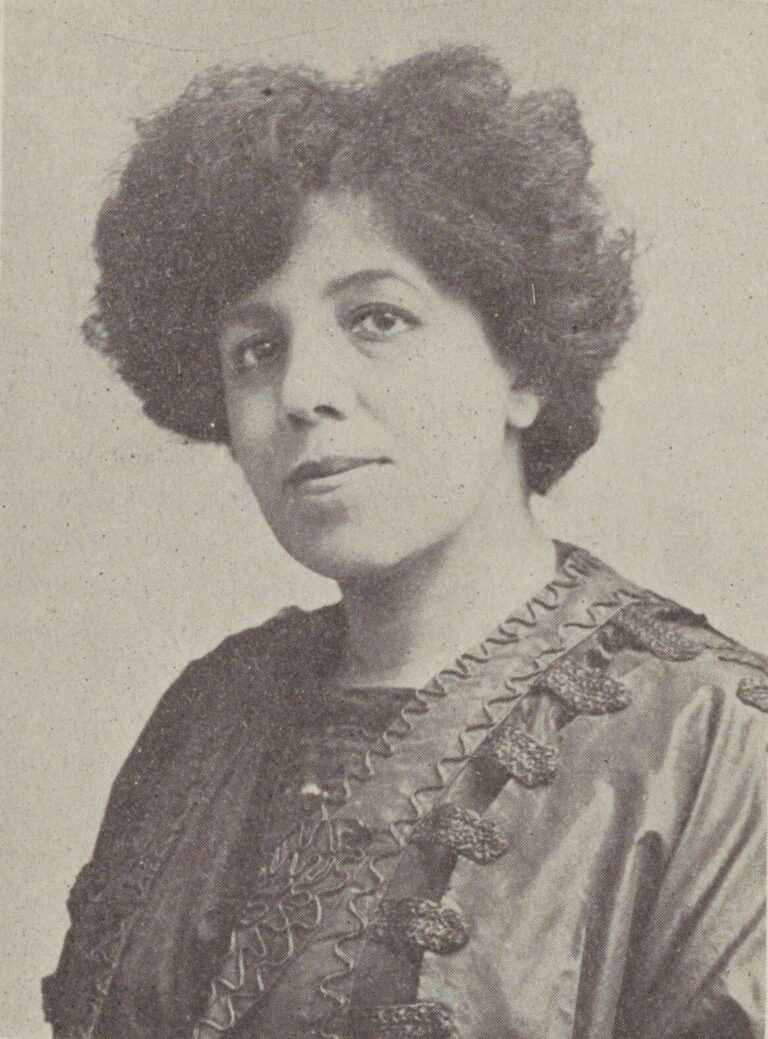
Black publishing was already part of British public life. A photograph in London Museum’s collection shows Claudia Jones, editor of the West Indian Gazette, addressing a Trafalgar Square demonstration against restrictive immigration legislation in 1962. The image connects the work of an editor with public campaigning two decades before The Voice appeared. McCalla was entering an existing history in which newspapers helped people organise, exchange information and challenge the way they were treated. His task was to develop a publication for another moment within that history. 4
The Voice’s own historical account describes its creation by McCalla alongside a group of businessmen and journalists. It was aimed particularly at a generation of Black people born and brought up in Britain. The paper combined news and investigations with human-interest stories, entertainment and sport. That breadth was an editorial decision about the readers themselves. Their lives included political arguments and experiences of discrimination, alongside pleasure, ambition, work and family. A newspaper could make room for those different interests within the same publication. 8
The team behind the early issues
Patrick Vernon Francis, known as Flip Fraser, became the founding editor. In his own account of his career, Fraser recalled McCalla recruiting him in 1982 to create and launch the newspaper. He brought experience in music and entertainment journalism to the job. The distinction between their roles matters: McCalla was the founder and publisher, while Fraser helped turn the idea into an editorial product. Creating a newspaper meant choosing stories, commissioning work and giving the publication a recognisable character that readers could return to each week. 7
Another important figure was broadcaster Alex Pascall. His programme Black Londoners had begun in 1974, bringing together news, discussion, telephone contributions and music, and later becoming a daily broadcast. Pascall worked with McCalla to establish The Voice in 1982. He brought knowledge of audiences and experience in making Black life the subject of regular public conversation. His involvement also connected two forms of communication: radio, which people could hear in their homes, and a newspaper that could be bought, kept, shared and read at a different pace. 6
Fraser also devised Black Beat International for the publishing organisation in 1983, extending its work into a music and lifestyle magazine. He left The Voice in 1985. His account shows how the early enterprise generated ideas beyond its main newspaper, and how its history included people whose creative careers continued elsewhere. Remembering the founder properly therefore involves remembering collaborators. The publication took shape through the contributions of editors, writers and people with specialist knowledge of the cultural life it covered. 7
Making the paper pay
The Voice’s account of its origins identifies a £62,000 loan from Barclays as crucial to getting the paper started. The government’s Loan Guarantee Scheme underwrote 80 per cent of that borrowing, and the newspaper says the loan was repaid within five years. These details bring the enterprise into focus as a business. A commitment to publishing Black experiences needed money for production and a means of meeting its obligations. McCalla’s achievement included putting a financial structure around an editorial ambition so that a publication could reach its readers. 5
Advertising helped sustain that structure. London councils seeking to recruit Black employees placed advertisements in the paper, while Pascall’s broadcasting connections helped bring in BBC advertising. Recruitment notices served more than one purpose: they generated income for the publisher and put opportunities before readers. This relationship between audience and revenue was central to the model described in the newspaper’s history. The people reading The Voice constituted a public that employers wanted to reach, giving the paper commercial value as well as an editorial purpose. 5
McCalla’s earlier accountancy training gives that part of the story particular weight. A newspaper had to keep producing something people wanted while remaining able to pay for it. His route through bookkeeping and local publishing brought him to both sides of that problem. The publisher’s contribution lay partly in sustaining the organisation through which other people could report, write and be read. 2
Reporting what families were saying
In January 1983, The Voice interviewed the family of Colin Roach, who had died in the foyer of Stoke Newington police station. Police initially described his death as a suicide, while calls grew for a public inquiry. The paper’s decision to speak to the family placed them within the reporting of a case that had caused widespread concern. The account preserved in the newspaper’s later history illustrates a recurring editorial commitment: to seek out the people directly affected and give their experiences sustained attention. 10
The shooting of Cherry Groce during a police raid in Brixton in 1985 brought another family’s experience into the newspaper. The Voice reported accounts from children who had witnessed what happened. Its later history connects the reporting of that year with wider demands about policing and the conditions affecting Black communities. Putting relatives’ testimony into print gave readers access to a perspective from inside the home. The coverage helped ensure that the people directly affected appeared as witnesses with information, concerns and claims that required a response. 9
After Stephen Lawrence was murdered in 1993, the paper reported the case and the family’s campaign for justice. Its coverage forms part of a longer history of attention to racism in policing and public institutions. The 1999 Macpherson report eventually identified institutional racism within the Metropolitan Police. The Voice’s role should be understood alongside the work of Stephen’s family, their supporters and other journalists. It provided sustained space for a campaign whose significance depended on people continuing to ask questions long after the original crime had been reported. 9
A place for journalists to develop
The newspaper also changed the working lives of people inside its newsroom. Joseph Harker joined after university in 1987 and spent four years there, progressing through reporting and editorial roles. Looking back in a 2020 interview, he described how its attention to Black achievement and ambition affected his own understanding of what was possible. The job offered a different daily picture of Black life. For someone beginning a career, the people and stories encountered at work could also reshape expectations about the future. 1
The range of people associated with the paper extended across journalism, broadcasting and writing. Penguin’s account of its history names contributors including Trevor Phillips, Rageh Omaar and Afua Hirsch. Their later prominence is one way of tracing the publication’s influence, although a newspaper also depends on work that rarely becomes publicly celebrated. An editorial institution can create opportunities through the ordinary process of commissioning, editing and publishing. Its significance includes the professional relationships and experience that people carry into the next stage of their careers. 11
That relationship between a newspaper and the people it covers remained visible long after the launch. Interviewed by EachOther in 2020, Ife Thompson of the educational organisation BLAM recalled The Voice being the first newspaper to cover its work. She described the value of speaking with a Black journalist who understood the organisation’s purpose. The account gives a concrete example of what recognition can mean for a developing community project: its work becomes visible beyond the people already involved, and its explanation of that work receives informed attention. 12
Remembering the founder and following the paper
McCalla died in 2002. The newspaper continued, and in 2004 it was acquired by the Gleaner organisation. The institution he helped establish therefore entered a further stage under different ownership. 1
In 2021, a black plaque commemorating McCalla was unveiled at Blue Star House on Stockwell Road, a former home of The Voice. The tribute placed his name on a building associated with the work of publishing. Such a location is a useful reminder that newspapers have a physical history as well as an editorial one. Offices gather people, decisions and labour that can disappear from view when only the finished page survives. The plaque marked McCalla’s place in that history and connected the founder with the organisation he built. 13
The paper’s later participation in the Black British Voices Project showed another way of gathering public experience. Research published in 2023 was conducted by the University of Cambridge’s Department of Sociology with The Voice and the consultancy I-Cubed. More than 10,000 Black Britons completed a survey, with researchers also carrying out detailed interviews. The project examined subjects including work, education, identity and media representation. It brought varied experiences into a shared body of research, continuing an interest in asking Black people about their lives and making those answers available for wider discussion. 14
A record readers can return to
Individual copies of The Voice have also become museum objects. London Museum holds an issue dated 24 August 1985, including a special feature on Notting Hill Carnival. The collection record places it within the history of campaigning against discrimination and publishing for young Black Britons. Keeping an ordinary newspaper issue preserves a particular moment in the relationship between a publication and its audience. What once needed to be timely can later help readers understand which subjects were being discussed, and how a community’s public life was represented in print. 15
The fortieth anniversary produced another form of preservation. The Voice: 40 years of Black British Lives, published by Ebury in 2022, brought together material from the paper’s history, with a foreword by Lenny Henry. Its contents include front pages, editorials and readers’ letters, alongside contributions from people connected with the publication. These different forms matter because a newspaper’s history is made by more than the stories it prints. Readers answer back, editors choose an emphasis, and later generations return to the record with questions of their own. 11
McCalla’s achievement can be seen in the breadth of the publication he helped establish. News, sport, culture and individual lives could sit together, inviting readers to recognise more of themselves in print. The enterprise created a continuing place for that work, shared by the people who made the paper and the people who read it. 8
Sources
1. CNN Business, via WRAL — The newspaper that gave Black Britain a megaphone.
2. Black Plaque Project — Val McCalla.
3. Media4Change — Mike Jempson: Covering stories from local to the global.
4. London Museum — Claudia Jones addressing an immigration protest, 1962.
6. Windrush 70 — Alex Pascall.
7. Flip Fraser — Career history.
8. The Voice, Google Arts & Culture — The Voice: Britain’s favourite Black newspaper.
9. The Voice — Campaigning against police brutality.
10. The Voice — How the newspaper has been fighting your corner for 37 years.
11. Penguin / Ebury — The Voice: 40 years of Black British Lives.
12. EachOther — The enduring need for Black British media.
13. African Voice — Plaque erected in memory of Val McCalla.
14. University of Cambridge — Black British Voices: The findings.
15. London Museum — The Voice, 24 August 1985.
Image credit
Plaque commemorating Val McCalla at Blue Star House in Brixton, photographed in 2024. Photograph: Matt Brown, via Wikimedia Commons. Image source; CC BY 2.0.





Join the conversation
Comments 0
Share a memory, ask a question or add to this story.
No comments yet. Add your perspective.
Add your voice
Create a free account and verify your email to leave a comment.
All comments are reviewed before publication.