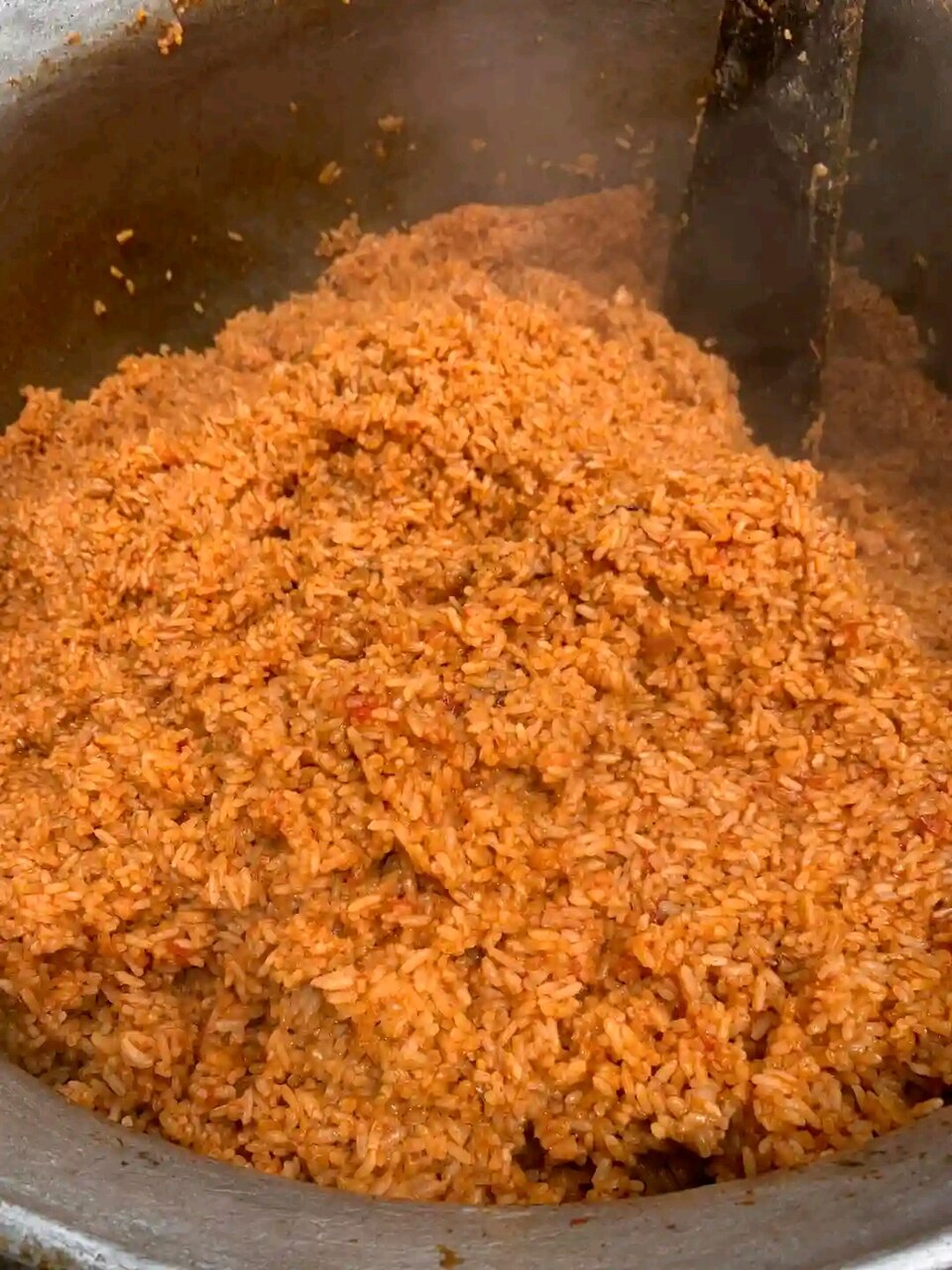
For Nigerian food writer Ozoz Sokoh, a pot of jollof carries distinctions that the dish’s name alone cannot capture. She describes everyday versions alongside the smoky rice associated with parties, and recalls encountering different grains and flavours in Ghana. Shared recognition leaves room for strongly held preferences. The question is often which jollof someone remembers, enjoys or expects on a particular occasion.1
One name, regional differences
Rice cooked with a seasoned tomato base provides a familiar point of reference, while grains, accompaniments and methods vary. Sokoh treats those differences as distinct interpretations rather than defects in a single standard recipe. Her account connects the name with the Wolof world of Senegal and neighbouring countries, while presenting the routes by which dishes spread as questions involving trade and movement.1
The particular history of ceebu jën
Senegal’s ceebu jën has a specific place within this wider conversation. UNESCO’s description associates it with the fishing communities of the island of Saint-Louis. The dish combines rice with fish and vegetables, with ingredients and preparation varying between regions. It was inscribed on UNESCO’s Representative List of the Intangible Cultural Heritage of Humanity in 2021.2
That recognition concerns a named Senegalese culinary practice. It gives weight to the knowledge involved in preparing and sharing the dish, including choices made for particular guests and occasions. The entry is more precise than the sweeping claim that an international body has settled every argument about jollof. Related dishes can carry their own histories and names.2
A recipe in print
An early printed example appears in the 1910 book Practical West African Cookery, examined by Sokoh through her Feast Afrique project. Its version, spelt “Joloff”, includes tomatoes, sweet red peppers and thyme. Rice absorbs the cooking liquid as the dish finishes. The recognisable outline sits alongside details that differ from many present-day preparations.3
A printed recipe fixes one version at a particular moment. Cooking also travels through demonstration, repetition and conversation, so this surviving text cannot supply the dish’s date of invention. Its value lies in allowing particular ingredients and techniques to be compared across time.3
The book also reflects colonial power. In a separate essay, Sokoh discusses the racism of its instructions about African cooks and its intended service to European households. A dish could enter a British-authored cookbook while the people whose labour and knowledge sustained the kitchen were demeaned. Reading that history restores the social circumstances around the apparently simple list of ingredients.4
Travelling with a familiar taste
Artist Folakunle Oshun turned jollof into a research journey in 2015, travelling from Lagos towards Saint-Louis for his Wolof/Jollof project. His published diary records border crossings, bus journeys and meals that challenged his expectations. In Senegal, he recognised a connection between the fish-and-rice dish he encountered and the Nigerian food he knew, while noticing differences in flavour and grain.5
His account ends without resolving the rivalry. Personal preference remained entangled with familiarity. Cooking his own version for fellow artists became another exchange: a traveller brought a learned recipe into a different setting, where it could become the centre of an evening’s conversation.5
At gatherings in London
Research by Helena Tuomainen places jollof within Ghanaian social life in London. In her study, published in 2009, rice dishes appeared frequently at gatherings, partly because they were convenient and comparatively economical to serve. Interviews also recorded changes in which foods hosts chose to display, as ingredients became more available and confidence in presenting Ghanaian dishes grew.6
These meals joined practicality to identity. Hosts needed to feed guests, while deciding what a celebration should taste like. Jollof could sit among dishes with different regional associations, allowing a gathering to express a broad Ghanaian connection without erasing the variety within it. Its British history includes those decisions made in kitchens and around serving tables.6
Sources and further reading
1. Part 1: A Short History of Jollof Rice. Ozoz Sokoh, Kitchen Butterfly.
2. Ceebu Jën, a culinary art of Senegal. UNESCO.
3. The 1910 Recipe for Joloff Rice. Ozoz Sokoh, Feast Afrique.
4. Reflections on Problematic Cookbooks. Ozoz Sokoh, Feast Afrique.
5. Jollof Diaries: A letter from the frontline. Folakunle Oshun, Chimurenga.
6. Ethnic Identity, (Post)Colonialism and Foodways: Ghanaians in London. Helena Margaret Tuomainen.
Featured image. A pot of jollof rice, photographed in January 2025. Photograph: Halima Waziri, 21 January 2025, via Wikimedia Commons. Image record · CC BY-SA 4.0
