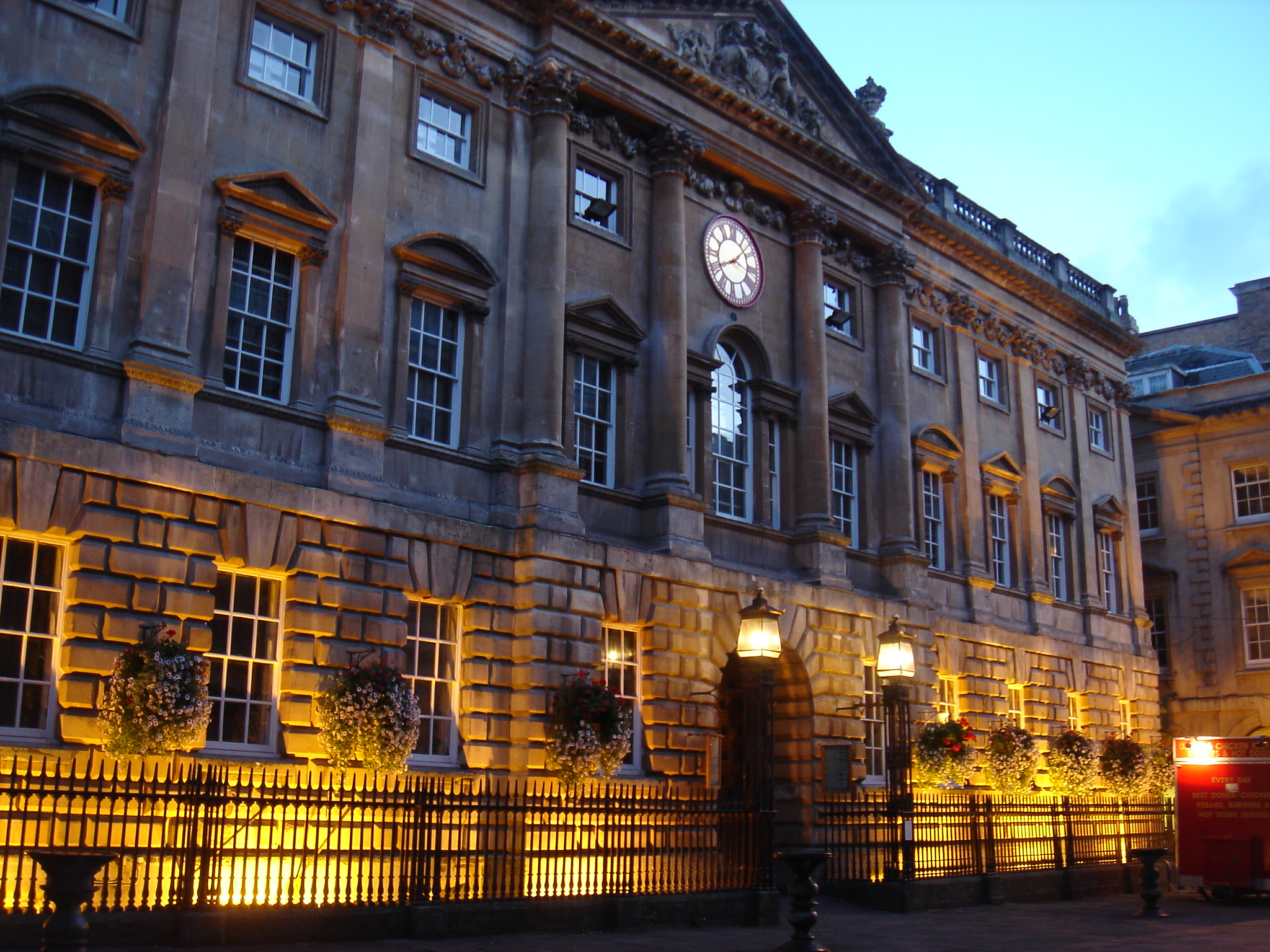
A history of slavery can begin with a plantation, but it can also begin with a British street. Merchant houses, warehouses and country estates preserve traces of wealth generated through the exploitation of enslaved people. Historic England’s research connects buildings with slave trading, plantation ownership and later compensation payments. Following those connections changes the geography of the story. The Caribbean and the Americas supplied much of the labour and produce; Britain contained businesses, consumers and institutions that helped organise the system and received its proceeds.1
The phrase slave economy encompasses trafficking, forced labour and commerce financed by that production. Buildings provide one route into the history: money from overseas enterprises could enter property at home. Researching their owners and transactions establishes where a particular fortune originated.1
Commerce supported by power
British participation developed with political support. Parliament’s own account of the trade describes legislation protecting it, royal backing and the financial interests of politicians and their families. The system was sustained by law as well as by merchants. Ships connected British ports, African coasts and American markets, while plantation commodities reached British consumers. The familiar triangular diagram captures part of this movement, but the fuller picture includes the institutions that made the buying, selling and exploitation of people legally enforceable.2
The labour inside a cargo of sugar
Sugar arrived as a saleable commodity, concealing the work required to produce it. Bristol’s museum history describes the agricultural cycle of a Caribbean sugar plantation: clearing ground, preparing soil, planting and tending cane, then cutting and transporting it. Harvest intensified the pressure because cut cane had to be processed quickly. Mills and boiling houses could operate through the night. The value recorded by merchants depended on people performing difficult work under compulsion.3
Crushing cane, controlling heat and preparing sugar demanded knowledge and coordination. Enslavement denied workers the freedom to control that labour or claim its proceeds. Records organised around output can hide them behind the quantities produced. Reading the production process closely restores their central place in an economy that treated their abilities as resources belonging to someone else.3
Plantations also required substantial investment in land, machinery, buildings and the purchase of enslaved people. Bristol’s account of plantation finance follows the relationship between these costs, debts and the pursuit of profit. The Pinney family’s connections between Nevis and Bristol provide one example of wealth accumulated through sugar production and trade. Owners’ correspondence reveals the economic language through which human beings were assessed alongside other supposed components of an estate.4
Debt helps explain the system’s pressures. Creditors expected payment; owners demanded returns; workers could be driven harder to meet those demands. Neither borrowing nor business failure made an enterprise less exploitative. Accounts of expenditure and investment must therefore be read with an awareness of what they exclude: people’s loss of liberty, family security and control over their own lives.4
Bristol and Liverpool: connected industries
Writing for Black History Month UK, historian Madge Dresser, with contributions from Bristol Museums’ Black History Steering Group, places the trade within Bristol’s wider commercial life. Ships needed provisions, equipment and manufactured goods. Imported plantation produce supplied processing businesses and retailers. Merchant influence extended into civic life. The port’s involvement consequently reached beyond the individuals who commanded slave ships or held property in the Caribbean.5
A business might supply a voyage, handle returning produce or sell goods further inland. Tracing those different relationships prevents the story from shrinking to a small list of notorious merchants. Their commercial environment depended on numerous transactions and on institutions able to protect their interests. Dresser’s account places those connections within the development of the city itself.5
Liverpool’s records expose comparable networks in detail. In his Gresham College lecture, historian Anthony Tibbles uses the papers of merchant William Davenport to examine the organisation of voyages. Investment could be divided among several participants, distributing both the financial risk and the anticipated returns. A voyage required merchants to assemble goods from different places, arrange a ship and crew, and maintain commercial relationships across considerable distances.6
Tibbles describes Manchester textiles, European beads, cowrie shells obtained through wider trade, metal products and weapons. These goods connect Liverpool to other economies. A vessel leaving the Mersey brought together supplies and capital accumulated through many transactions, connecting inland workshops with African ports through the organisation of the same exploitative enterprise.6
Scotland’s place in the network
A focus on the best-known English slave-trading ports can obscure Scotland’s involvement. The University of Glasgow’s exhibition The Sugar in Our Tea describes Scots working as plantation owners, managers, merchants and medical practitioners. Direct departures of slave ships tell only part of the story. Tobacco and sugar connected Glasgow and nearby ports with overseas production, while Scottish goods supplied plantation societies.7
Linen, shoes and other supplies formed part of the exchange, while wealth derived from colonial commerce entered the urban landscape. These relationships belong within a national economic history. Different places participated in different ways: an absence of numerous slave-ship departures from a harbour does not establish an absence of involvement in the system.7
Credit and insurance
Long-distance commerce required financial services. The Bank of England’s museum research describes accounts, lending and instruments such as bills of exchange, through which merchants could arrange payment. Its investigation also distinguishes personal interests held by directors from the institution’s own activities. The Bank became owner of two plantations in Grenada, together with enslaved people, after loans were not repaid. Financial relationships could therefore lead directly into ownership.8
An account held for a trading enterprise, a director’s private investment and ownership acquired through a default are different connections, each requiring evidence. Together, they show slavery’s place within ordinary financial practices. Transactions that appeared on paper as advances, securities and repayments could depend on a claim to property in human beings, with consequences far beyond the bank’s offices.8
Insurance provided another way of managing commercial risk. Historian Nicholas Draper’s research for Lloyd’s examines marine insurance and its relationship to slavery. Underwriters accepted portions of a potential loss in return for premiums. Covering voyages and cargoes helped sustain the movement of goods across oceans; within the slave economy, this meant financial protection for enterprises built on coercion. Commercial calculations placed value on property claims that included enslaved people.9
Lloyd’s was a marketplace involving individual underwriters, and its history needs to retain those distinctions. Insurance had uses well beyond slavery, but that breadth does not remove the significance of the business conducted within the slave economy. Its role helps explain how people could profit from an enterprise without travelling on a ship or setting foot on a plantation. The financial return could be collected at a considerable distance from the violence sustaining it.9
Ending the trade, challenging enslavement
The system faced resistance from those it exploited and from a growing abolition movement. Royal Museums Greenwich places the Haitian Revolution alongside campaigning in Britain and the testimony of formerly enslaved people. Olaudah Equiano’s published account, public campaigning and wider organising challenged the trade’s legitimacy. These pressures remind us that enslaved people were historical actors. They disputed the claims made over them through resistance, political action and the circulation of their experiences.10
The 1807 law ended Britain’s legal trade in enslaved people; it did not free those already enslaved on plantations. Campaigning consequently continued. Distinguishing those outcomes prevents a familiar error in public history: treating the end of trafficking by British traders as the end of slavery itself. The wealth generated through forced labour remained an economic reality after 1807, and the struggle over emancipation involved confronting the interests that still depended on it.10
Parliament passed the Slavery Abolition Act in 1833, with emancipation beginning on 1 August 1834 in the colonies it covered. The legislation contained territorial exceptions and imposed an apprenticeship system on many of those it ostensibly freed. That system continued compulsory labour and was ended in 1838. The sequence matters: freedom was contested through the terms and implementation of the settlement, as well as through the campaign for the legislation.2
Who received compensation?
The British government provided £20 million in compensation to enslavers. The Bank of England administered payments. Research by Michael Anson and Michael D. Bennett follows part of this process through records of government stock and its transfer. Their work shows that the recipients of awards were not the only people able to benefit. Intermediaries, including agents with existing colonial commercial connections, could charge for collecting the compensation.11
Compensation moved value out of claims to ownership and into new financial forms. The research follows stock being collected, transferred and converted into money, making that movement visible rather than treating compensation as a single government announcement. It reveals another set of services through which the City of London was connected to colonial slavery. The settlement protected the financial interests attached to enslavement while the people whose labour had produced the wealth received no equivalent payment.11
Cotton after British emancipation
British emancipation did not sever every connection with slavery overseas. The Science and Industry Museum traces Manchester’s cotton industry to raw materials grown by enslaved workers in the Caribbean, Brazil and the United States. Mechanised spinning and weaving in Britain depended on supplies produced elsewhere. The industrial landscape and the plantation landscape belonged within one commodity chain, even though the workers occupied different legal and social positions.12
Cotton grown through enslavement in the United States continued to supply British industry after emancipation in Britain’s Caribbean colonies. This relationship complicates any account which closes the economic history of slavery in the 1830s. Factory innovation did not make the origins of raw materials irrelevant. Following cotton from its cultivation to its processing shows how a country that had abolished colonial slavery could remain economically connected to its continuation elsewhere.12
Following the records home
University College London’s Legacies of British Slave-ownership project, led in its early work by Catherine Hall, used compensation records to trace people and fortunes within Britain. Publishing the research opened opportunities for local historians and families to investigate connections previously difficult to assemble. It also changed the image of an enslaver: ownership and financial interests could be maintained from Britain, far from the people whose labour sustained them.13
These records establish relationships that can be examined through names, addresses, payments and investments. They do not provide a complete account of the losses endured by enslaved families, whose lives exceeded the categories imposed by owners and officials. A responsible history holds those limits in view. Tracing Britain’s slave economy means documenting where wealth went while keeping the people who produced it at the centre of the explanation.13
Sources and further reading
1. Historic England: Enslavers and Plantation Wealth.
2. Heritage Collections, UK Parliament: The Transatlantic Slave Trade.
3. Bristol Museums / Discovering Bristol: The year’s work.
4. Bristol Museums / Discovering Bristol: The plantation economy.
5. Madge Dresser, with contributions from Bristol Museums’ Black History Steering Group / Black History Month UK: Bristol and the Transatlantic Slave Trade.
6. Anthony Tibbles / Gresham College: Liverpool and the Slave Trade.
7. University of Glasgow: The Sugar in Our Tea: Scotland, Slavery and Abolition — Introduction.
8. Bank of England Museum: Slavery and the Bank: exhibition large-print guide.
9. Nicholas Draper / Lloyd’s: Lloyd’s, marine insurance and slavery.
10. Royal Museums Greenwich: How did the slave trade end in Britain?.
11. Michael Anson and Michael D. Bennett / Bank of England: The collection of slavery compensation, 1835–43.
12. Science and Industry Museum: Manchester, cotton and slavery.
13. University College London: Engaging with the legacies of British slave-ownership.
Photograph
The Exchange on Corn Street, Bristol, photographed at dusk in August 2006. The building forms part of the city’s historic commercial landscape. Photo: Wikikob, The Exchange, Bristol, at dusk, 24 August 2006, Public domain (released by the photographer). Original photograph; no changes.


Join the conversation
Comments 0
Share a memory, ask a question or add to this story.
No comments yet. Add your perspective.
Add your voice
Create a free account and verify your email to leave a comment.
All comments are reviewed before publication.