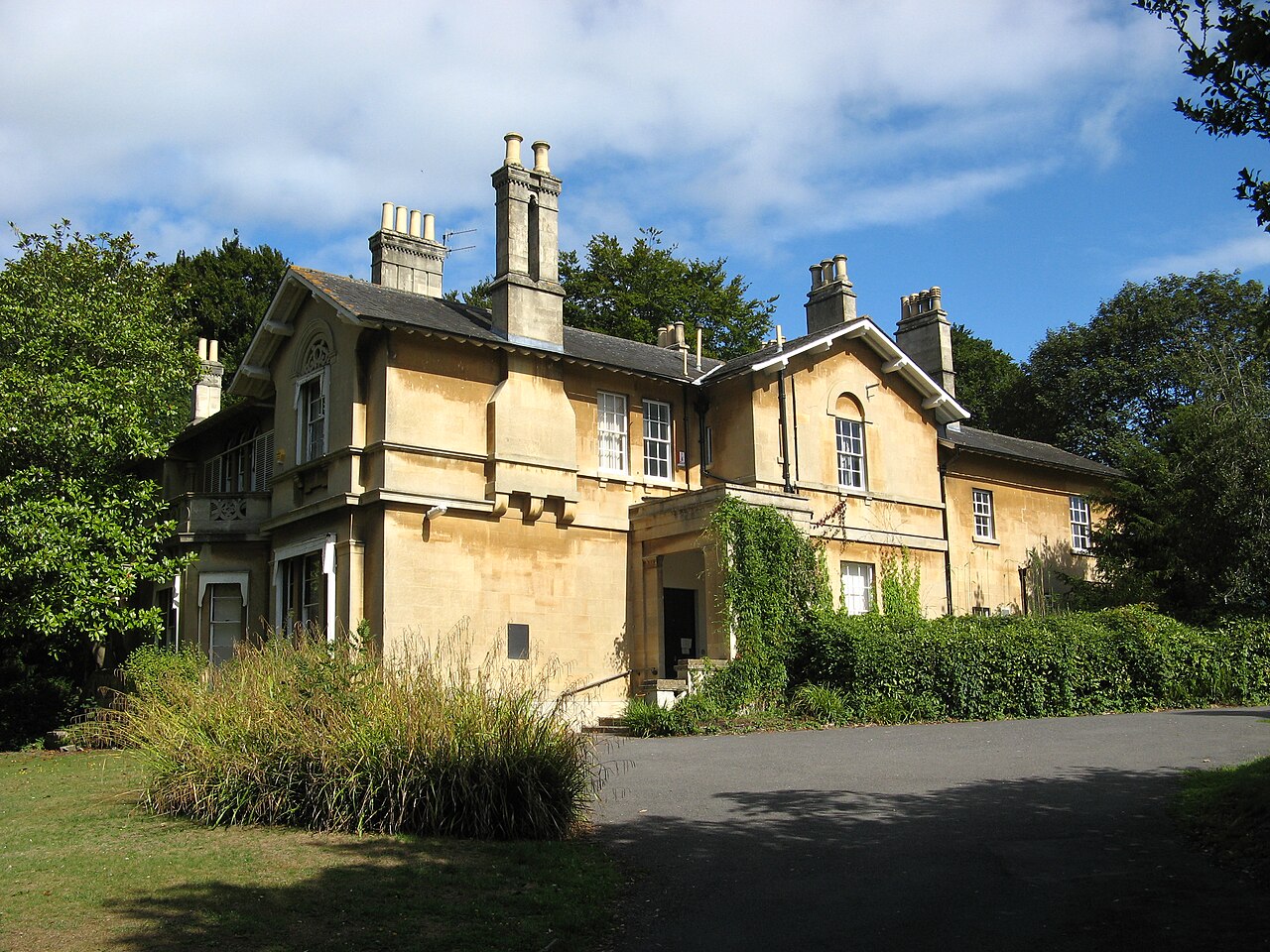
Fairfield House in Bath occupies a distinctive place in Rastafari history. It was the home of Ethiopia’s Emperor Haile Selassie during his exile, and remains a site of spiritual significance for Rastafari visitors. Different traditions within the movement meet there. The building connects religious observance with the history of Ethiopia, Britain and the African diaspora. 1
Jamaican beginnings and African connections
Rastafari emerged in colonial Jamaica in the early 1930s, following Haile Selassie’s coronation as emperor. Preachers including Leonard Howell proclaimed his divinity. The movement developed within a society shaped by British colonial rule, while Ethiopia offered a powerful connection with African sovereignty. It was a religious movement with political implications from its beginnings. 2
A timeline co-curated with Rastafari elders records the arrival of members from Jamaica’s Ethiopian World Federation Local 37 in Britain in the late 1950s. They sought links with Ethiopian institutions, approaching the embassy in London in 1960. These connections preceded reggae’s later international popularity and placed organising around Ethiopia within the movement’s early British history. 2
Understanding the movement from within
Historian Aleema Gray, who grew up within the tradition, has challenged accounts that reduce British Rastafari to a youth subculture or a social problem. Her research asks how people organised, where they met and what they sought to achieve. Those questions produce a history of institutions and relationships, rather than one built around outside judgements of appearance or behaviour. 3
Gray also draws on reasoning, a collective exchange through which participants examine experience and knowledge. In explaining her research method, she describes giving community members opportunities to respond to her work. This matters for a movement whose familiar public images have often travelled further than practitioners’ own accounts of belief, everyday life and historical change. 3
Making community space
At St Agnes Place in south London, Rastafari occupied two disused houses from the early 1970s until eviction in 2005. They developed facilities for education, childcare, recreation, health and spiritual care. The buildings provided somewhere to organise these activities together. This was a history of maintaining rooms, relationships and services as well as discussing ideas. 4
The House of Dread project later recorded memories of St Agnes Place through interviews and portraits. Its 2024 exhibition at Brixton House returned attention to the people who used and sustained those spaces. Former residents’ and participants’ memories provided evidence of what the buildings had contained, beyond the later public record of eviction and demolition. 4
Women documenting their lives
D. Elmina Davis’s 1988 documentary Omega Rising: Women in Rastafari offers another account from within the movement. Filmed in Britain and Jamaica, it placed women’s cultural and spiritual lives at its centre. Their connections crossed national boundaries, while their accounts addressed questions of identity, belief and the experience of becoming Rastafari. 5
Davis was a founding member of the Ceddo Film and Video Workshop, part of the development of Black film collectives during the 1980s. Her film preserved women’s perspectives during a period of expanding Rastafari organisation in Britain. It also makes clear why a history centred only on male preachers or well-known musicians would leave out much of the movement’s work. 5
Sound and social life
Music provided another route through which Rastafari ideas and relationships entered Britain’s public life. London Museum’s Dub London project collected testimony from practitioners alongside record-shop owners, musicians, DJs and listeners. Its research examined shops as meeting places and recorded the work of sound systems. It connected musical history with the people and organisations that sustained it. 6
The museum also worked with the families of Dread Broadcasting Corporation’s founders and recorded Channel One Sound System at Notting Hill Carnival. These activities documented relationships between recorded music, broadcasting and gatherings. They show why the history of a sound also involves places where people exchange knowledge, keep records and meet. 6
A place of continuing significance
Fairfield House brings several of these connections into one setting. Its community account describes Rastafari travelling for observances in the Rastafari and Ethiopian calendars. It recognises different mansions, or traditions, within the movement, while explaining the house’s shared importance. The same site supports older people through the separate Bath Ethnic Minority Senior Citizens Association, placing spiritual heritage alongside an ongoing programme of community care. 1
Sources and further reading
1. Our Communities. Fairfield House Bath.
2. Timeline of Rastafari in Britain. Rastafari in Motion.
3. The Rastafari in Britain: Writing Community-Engaged History. History Workshop.
4. House of Dread: Reclaiming St Agnes Place. Derick Armah.
5. Omega Rising: The Film That Built a Framework for Rastafari Sisterhood. British Film Institute.
6. Dub London. London Museum.
Featured image. Fairfield House in Bath, photographed in August 2010. Photograph: Rwendland, 12 August 2010, via Wikimedia Commons. Image record · CC BY-SA 3.0
