Operation Black Vote began in July 1996 as a collaboration between Charter 88, a constitutional reform organisation, and the 1990 Trust, which worked on Black public policy. Its use of Black included African, Asian and Caribbean communities. Its starting point was a gap between the formal right to vote and effective participation in politics. Registration, political education and representation formed parts of the same project. 1
An early argument about democracy
A parliamentary motion in March 1997 supported OBV’s efforts to increase voter registration and political participation. It attracted sixty-seven signatures, including MPs from Labour, the Conservatives and the Liberal Democrats. The motion presented registration as a matter affecting Parliament’s legitimacy. A campaign directed towards people often overlooked by political institutions had found support across party boundaries. 2
The distinction mattered. OBV’s work concerned access to the political process, while the MPs supporting it continued to disagree about policy. The range of signatures illustrates how participation could be treated as a shared democratic concern without requiring supporters or prospective voters to adopt a single party allegiance. 2
Making registration practical
In evidence submitted to Parliament in 2005, OBV described a system through which people could complete a registration form online, print it and send it free of charge to the organisation. OBV then forwarded it to the relevant local authority. The process combined digital access with postal assistance. Its evidence also argued that publicity needed to explain how voting related to people’s lives, rather than simply telling them to register. 1
Simon Woolley’s route into campaigning
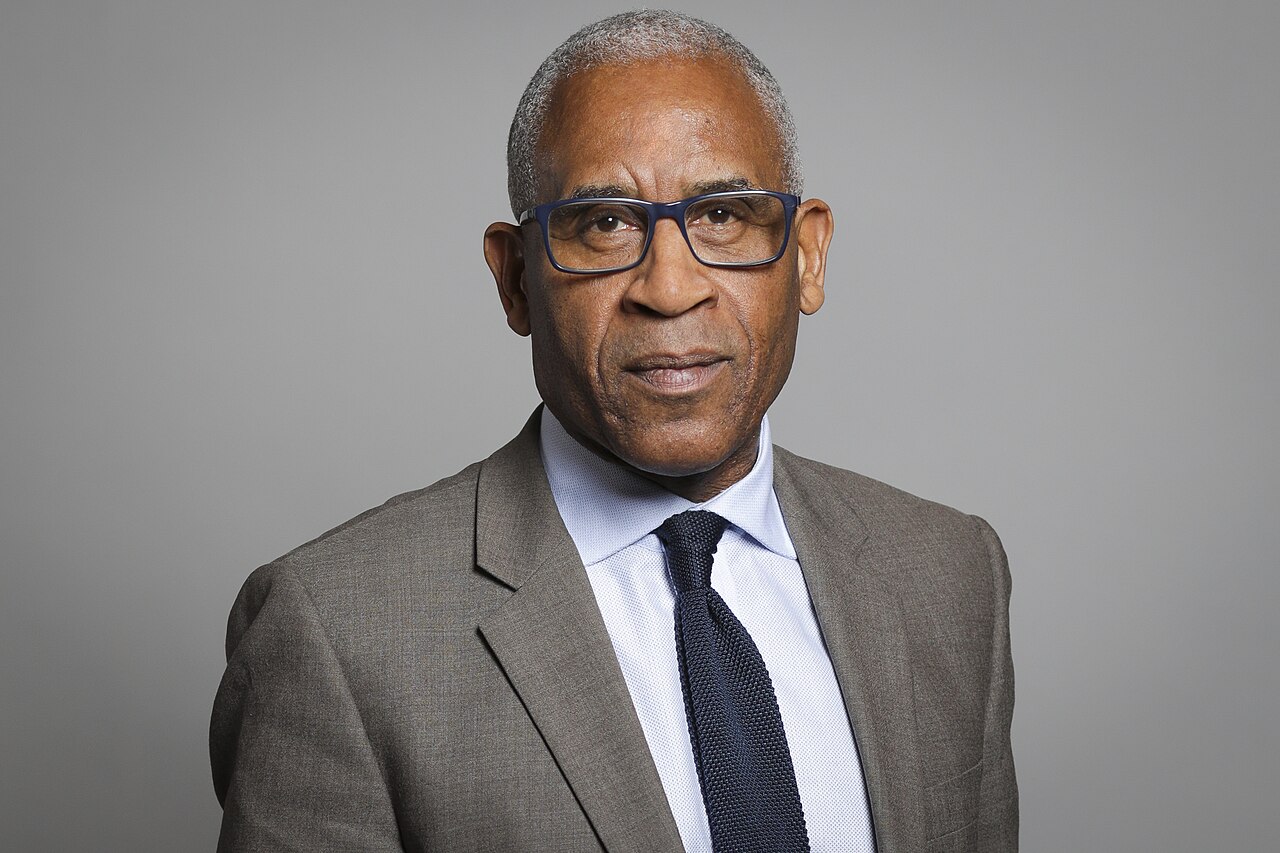
Simon Woolley was OBV’s founding director and led the organisation until 2021. His own education had followed an indirect route. Brought up on a council estate in Leicester, he left school without A-levels, worked as an apprentice mechanic and later in marketing, then returned to study through an access course. He went on to take degrees at Middlesex University and Queen Mary University of London. 5
That route through education sits alongside his later emphasis on access to institutions. In October 2021, Woolley became Principal of Homerton College, Cambridge. His move brought experience from civic campaigning into university leadership, while OBV continued as an organisation with its own programmes and responsibilities. 5
Learning how institutions work
OBV’s parliamentary shadowing scheme paired participants with members of the Commons and Lords. Over six months, they observed work in Westminster and constituencies, with mentors drawn from different major parties. Participants could see the relationship between national debate and the local responsibilities of a parliamentarian. The scheme also encouraged them to share what they learned with other people. Mentors included both backbench MPs and ministers, so the scheme could introduce participants to different responsibilities within the parliamentary system. 3
The organisation identifies Helen Grant, Clive Lewis, Marsha de Cordova and Tan Dhesi among people whose political development involved its mentoring work. Those careers have taken different directions. The programme offered experience, contacts and knowledge to people pursuing different kinds of political careers. Its practical purpose was to make routes into politics more understandable and accessible. 3
From shadowing to leadership development
A later initiative, Pathway to Success, brought OBV and the House of Commons together with Magdalen College, Oxford, the Blavatnik School of Government and Lloyds Banking Group. At the September 2021 residential, participants practised negotiation, took part in an Oxford Union debate experience and attended Woolley’s session explaining the House of Commons. Political knowledge was combined with opportunities to practise skills. 4
Participants also met mentors drawn from Magdalen’s alumni, following an earlier period of online activity. The residential therefore belonged to a longer programme of relationships and guidance. It addressed the distance between being interested in public leadership and knowing how to prepare for it, bringing people into settings they might otherwise have encountered only from outside. 4
Thirty years of work
OBV marked its thirtieth anniversary in 2026 with a message from chair David Weaver and a review of its development. The anniversary account presented representation as an ongoing task rather than a completed achievement. It returned to questions about what a new generation needed from political institutions, keeping education, participation and public accountability within the organisation’s work. 6
Sources and further reading
1. Memorandum by Operation Black Vote. House of Commons.
2. Operation Black Vote: Early Day Motion. UK Parliament.
3. Schemes. Operation Black Vote.
4. Pathway to Success Residential Returns to Magdalen. Magdalen College, Oxford.
5. Lord Woolley of Woodford. Homerton College, Cambridge.
6. Thirty Years of Black Politics. Operation Black Vote.
Featured image. Simon Woolley, Lord Woolley of Woodford, in his official parliamentary portrait from December 2019. Photograph: Roger Harris / UK Parliament, 18 December 2019, via Wikimedia Commons; source-provided crop. Image record · CC BY 3.0
