When William Craft registered his son’s birth in December 1852, he gave his occupation as cabinetmaker. The baby, Charles Estlin Phillips Craft, had been born at Ockham in Surrey. For William and Ellen Craft, who had escaped slavery four years earlier, a British birth certificate recorded a new part of their lives: bringing up a child born free.3
A journey planned together
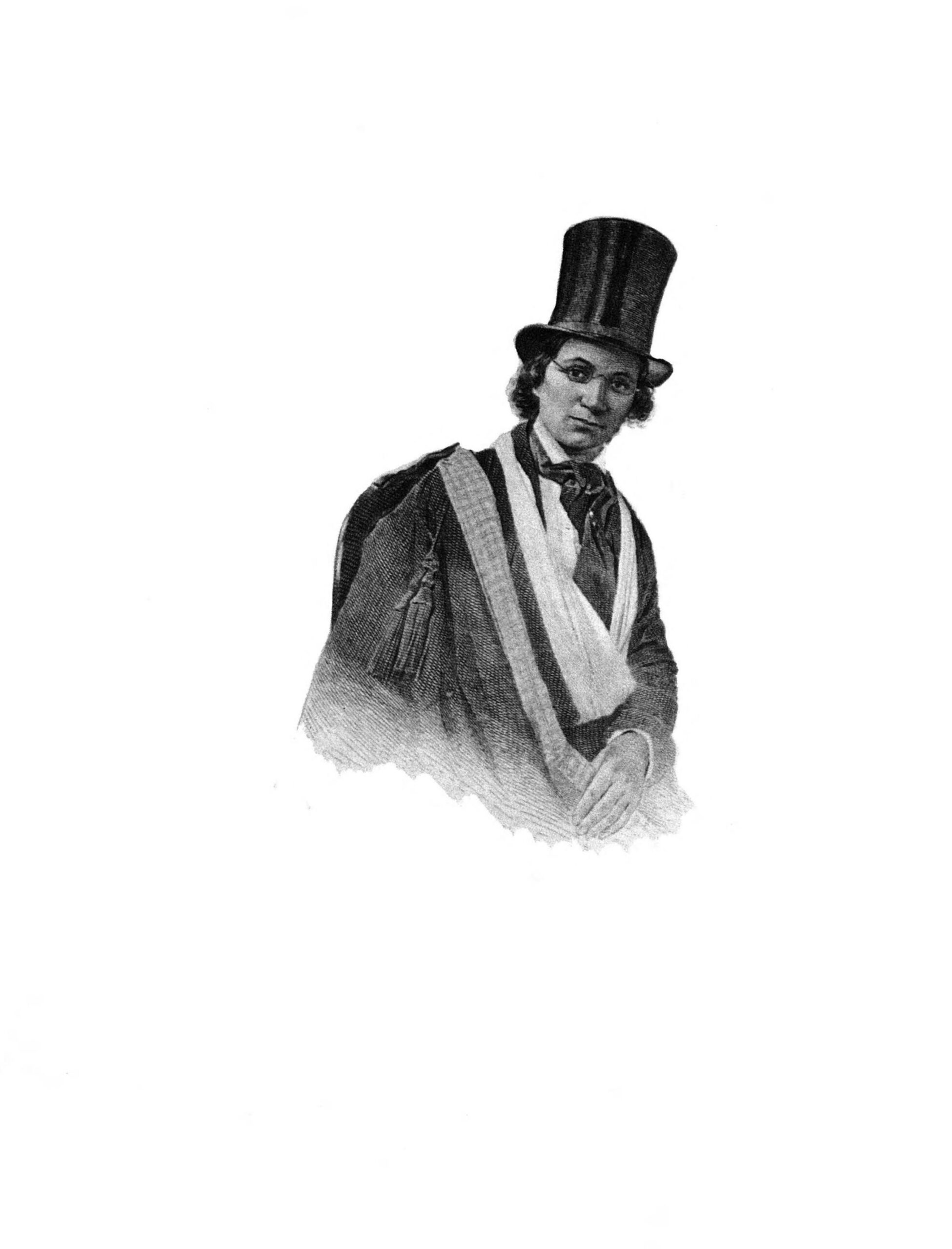
The Crafts’ escape from Georgia in December 1848 depended on turning the rules of a slave society to their advantage. Ellen, whose complexion allowed her to pass as white, travelled dressed as an unwell white gentleman. William accompanied her in the role of an enslaved servant. A bandaged arm provided an explanation when the supposed gentleman was asked to write; other elements of the disguise helped Ellen avoid close scrutiny. They travelled openly by railway and steamer, while concealing the purpose of their journey.1
Their account explains the urgency behind this carefully prepared plan. Enslavement denied them control over their earnings and exposed their marriage and any future children to separation by sale. After reaching Philadelphia, they settled in Boston and worked. But the Fugitive Slave Act of 1850 strengthened the machinery for recapturing escapees. Men came seeking them, and protection from friends could not make a permanent home secure. A further departure became necessary.1
Britain as a place to live
They reached Liverpool in December 1850 after a difficult crossing. Their later narrative recalls Ellen’s illness during the voyage and the relief of arrival. Supporters welcomed them, and the Bristol abolitionist John Bishop Estlin became an important friend. Britain offered a place to resume their lives while continuing to speak against the institution that had forced them abroad. Their stay would develop into years of education, work and family life.1
At a meeting in Bristol in April 1851, William challenged the claim that enslaved people could be content if they were adequately fed and clothed. His argument concerned the right to direct a life. Better treatment by an enslaver could not repair the loss of freedom or protect a family from sale. He described the separation of his own relatives and linked his experiences to the system’s denial of legal protection. Addressing a British audience, he offered evidence and an argument about human rights, drawing authority from what he had endured.2
He also explained how he had earned money for the escape through additional work as a cabinetmaker. Ordinary daytime earnings went to his enslaver; extra labour outside those hours helped pay for clothing and travel. Such details made planning, skill and sustained effort central to the story he told from the platform.2
An entry in the census
The 1851 census caught the couple staying with abolitionist Wilson Armistead in Leeds. In the occupation column they were described as fugitives from slavery. Historian Bridget Bennett reads this unusual entry as a deliberate political intervention: a routine government form became a place to protest the power claimed over them in America. The description was not a declaration that they were legally enslaved in Britain. It carried their campaign into an official record, alongside the names and circumstances of the household sheltering them.4
Learning and teaching at Ockham
At Ockham, the Crafts combined study with work. Ellen taught handicrafts, while William taught carpentry. They brought existing abilities to a school where they were also gaining further education. Their first son’s names honoured connections across the Atlantic: the Estlin family in Bristol and the American abolitionist Wendell Phillips. School, parenthood and campaigning belonged to the same unfolding life.3
In his published account, William acknowledged those who had helped make education possible, including Estlin, Lady Byron, Harriet Martineau and the women who managed the school. He singled out the interest taken in his progress by the teacher Thomas Wilson. These acknowledgements record a network through which anti-slavery commitments became practical assistance. The Crafts’ own teaching made the exchange reciprocal: they were passing on knowledge while acquiring more of it.1
A London home and a book
The preface to Running a Thousand Miles for Freedom, published in London in 1860, ends with a Hammersmith address. The story appeared in William’s name and drew on the couple’s shared experiences. Its opening argument set Christian teaching and American declarations of equality against the practice of human ownership. The escape narrative that followed was therefore part of a continuing public case against slavery, addressed to readers as well as lecture audiences.1
The Crafts’ Hammersmith home, now numbered 26 Cambridge Grove, became part of this working life. They remained active in abolitionist networks; Ellen also supported women’s suffrage and efforts to assist formerly enslaved people. Domestic life did not remove them from public affairs. Their household was rooted in London while their commitments continued to cross the Atlantic.5
Carrying education back
After returning to the United States in 1869, the Crafts continued the connection between freedom and learning. In 1873 they established the Woodville Cooperative Farm School in Georgia. It faced financial difficulties and eventually closed. Their British years had nonetheless become part of a longer educational project, linking the opportunities they had pursued at Ockham with work for children born into the world after emancipation.5
The British chapter gives the Crafts’ story room to continue after the escape. It contains the labour of earning, learning, raising a family and explaining why freedom mattered. In the preface written from Hammersmith, William presented the telling itself as useful work for the abolitionist cause. The journey had brought the couple to a place from which they could make their experiences available to others.1
Sources and further reading
1. Running a Thousand Miles for Freedom, 1860 — William Craft, Project Gutenberg.
2. Speech at Broadmead, Bristol, 9 April 1851 — William Craft, University of Detroit Mercy Black Abolitionist Archive.
3. Ellen and William Craft: a fresh examination — Jeffrey Green.
4. Guerrilla inscription: Transatlantic abolition and the 1851 census — Bridget Bennett, University of Leeds.
5. Ellen and William Craft — English Heritage.
Featured image. Ellen Craft depicted in the disguise used during the Crafts’ escape. Frontispiece to Running a Thousand Miles for Freedom, published in London by William Tweedie in 1860. Unknown artist; William Tweedie, publisher, 1860. Oberlin College Library / Internet Archive. Public-domain original. Image record · Public domain