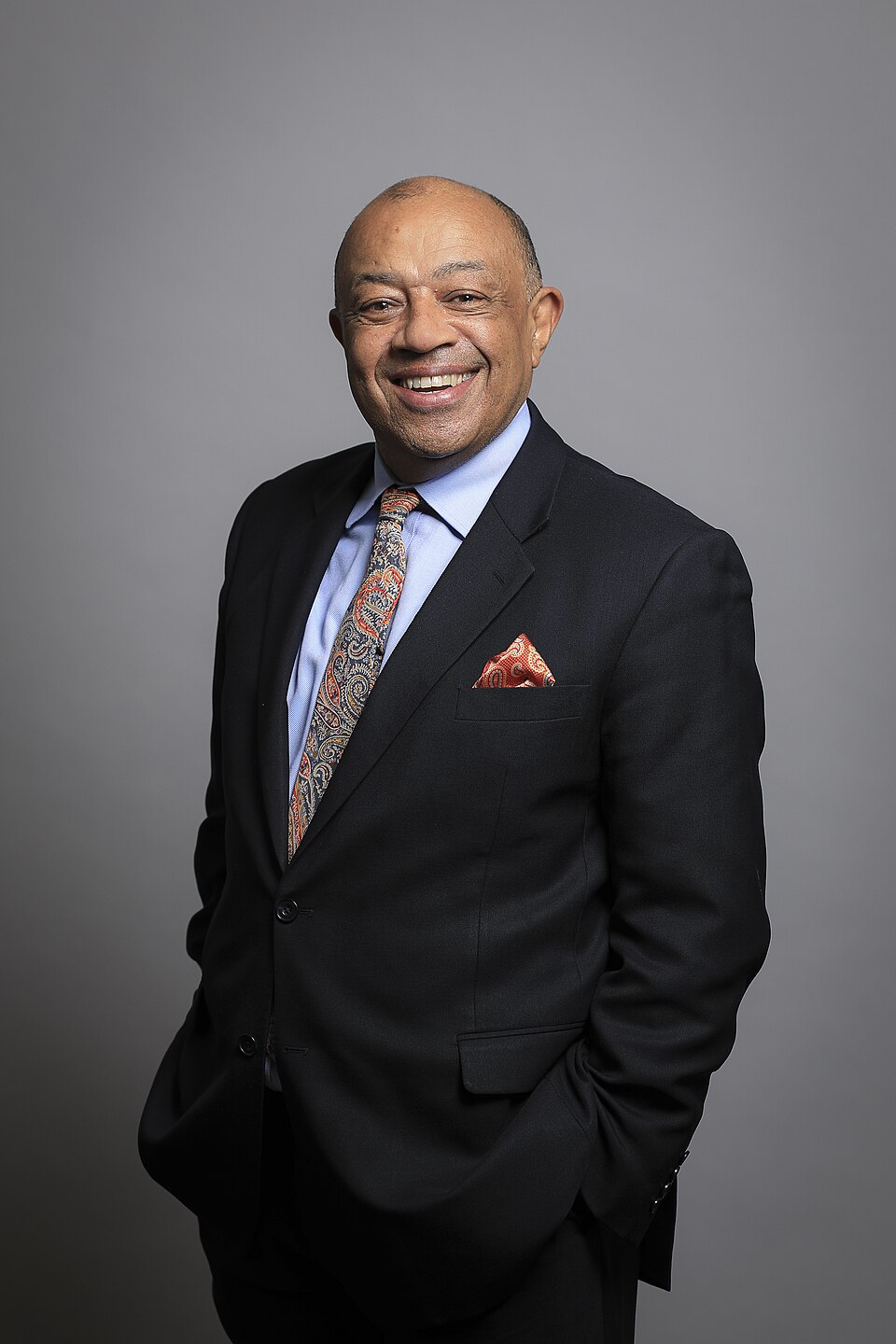
Paul Boateng became Britain’s first Black Cabinet minister when he was appointed Chief Secretary to the Treasury in May 2002. His public work also extended into diplomacy and cultural institutions. 4
A childhood shaped by politics
Boateng was born in Britain and spent part of his childhood in Ghana, where his father, Kwaku Boateng, held ministerial office in Kwame Nkrumah’s government. The 1966 coup forced a change in the family’s circumstances. Paul returned to Britain with his mother and sister, continuing his education at Apsley Grammar School. 1
He went on to study law at the University of Bristol. Its account of his early life describes involvement in student organisations alongside voluntary work in St Paul’s, where he used his developing legal knowledge in the community. These activities placed formal education beside practical experience of people seeking help and representation. 1
The law and police accountability
Boateng qualified as a solicitor in 1974 and was called to the Bar in 1989. His chambers records his work with the National Council for Civil Liberties and as legal adviser to the Scrap Sus campaign between 1977 and 1981. Legal practice gave him a means of challenging decisions and procedures affecting people with limited power of their own. 2
Elected to the Greater London Council for Walthamstow in 1981, he chaired its police committee and served as vice-chair of its ethnic minorities committee. He argued for greater accountability in the Metropolitan Police. His legal work also included representing Cherry Groce after police shot and paralysed her during a raid on her Brixton home in 1985. 2
From the Commons to government
Boateng entered Parliament as MP for Brent South in June 1987 and held the seat until 2005. He undertook opposition responsibilities in Treasury affairs and the Lord Chancellor’s Department before Labour entered government in 1997. His first ministerial appointment was in the Department of Health; he subsequently served at the Home Office. 3
The Treasury followed: Financial Secretary from 2001, then Chief Secretary between 2002 and 2005. These appointments took him from campaigning and opposition scrutiny into the responsibilities of government. His parliamentary record shows successive roles across departments, rather than a career confined to a single policy subject. He joined the House of Lords in 2010, beginning a further stage of parliamentary work. 3
Diplomacy and cultural institutions
After leaving the Commons, Boateng served as British High Commissioner to South Africa from 2005 to 2009. His wider public work included boards concerned with the arts and heritage. A City of London Corporation report records service with English National Opera and English Travelling Opera, followed by appointment as a governor of the Museum of London in December 2009. 4
The museum work involved questions of institutional development and audiences. The Corporation’s 2021 report credited him with helping the museum connect with communities across London and supporting its fundraising. Cultural governance formed another strand of his career alongside roles in Westminster and overseas. 4
Arguments about development
At a pan-African conference on inequality in Accra in 2014, Boateng argued for practical measures that governments could implement and assess. The British High Commission’s report describes his emphasis on reliable data, clear economic targets and links between researchers and development partners. He identified agriculture and information technology as important areas for economic development. 5
These remarks placed the discussion on the ground of implementation: how resources were managed, what governments measured and whether proposed policies could be delivered. The conference also addressed social protection, access to finance and employment. Boateng’s contribution continued his engagement with African public affairs after the conclusion of his diplomatic posting. 5
Scrutinising institutions
Boateng later chaired the Archbishops’ Commission for Racial Justice. Its task was to monitor, support and hold the Church of England accountable for implementing recommendations set out in the 2021 report From Lament to Action. The commission examined whether commitments to racial justice were becoming changes in structures and working practice. 6
Its sixth and final report was published in February 2025. The accompanying account recorded both progress and frustration during the commission’s work. That role required sustained scrutiny of an institution’s decisions, including the distance between statements of principle and implementation. Reports, evidence and recommendations became the instruments through which the commission pressed its case for change. 6
Sources and further reading
1. The Rt Hon. Paul Yaw Boateng. University of Bristol.
2. Lord Paul Boateng. 1MCB Chambers.
3. Parliamentary career of Lord Boateng. UK Parliament.
4. Reappointment to the Board of Governors of the Museum of London: Lord Paul Boateng. City of London Corporation.
5. Africa needs practical measures to fight poverty. British High Commission Accra.
6. Final report of Archbishops’ Commission for Racial Justice published. Church of England.
Featured image. Paul Boateng in his official House of Lords portrait from 2020. © House of Lords / photography by Roger Harris, 2020, via Wikimedia Commons. Image record · CC BY 3.0
