Blossom Jackson in EastEnders was one face of Mona Hammond’s career. Another belonged to an actor working with the playwrights Michael Abbensetts, Alfred Fagon and Mustapha Matura. Television made her recognisable to large audiences, while new plays gave her a continuing place in the development of Black British theatre.1
From Mona Chin to professional actor
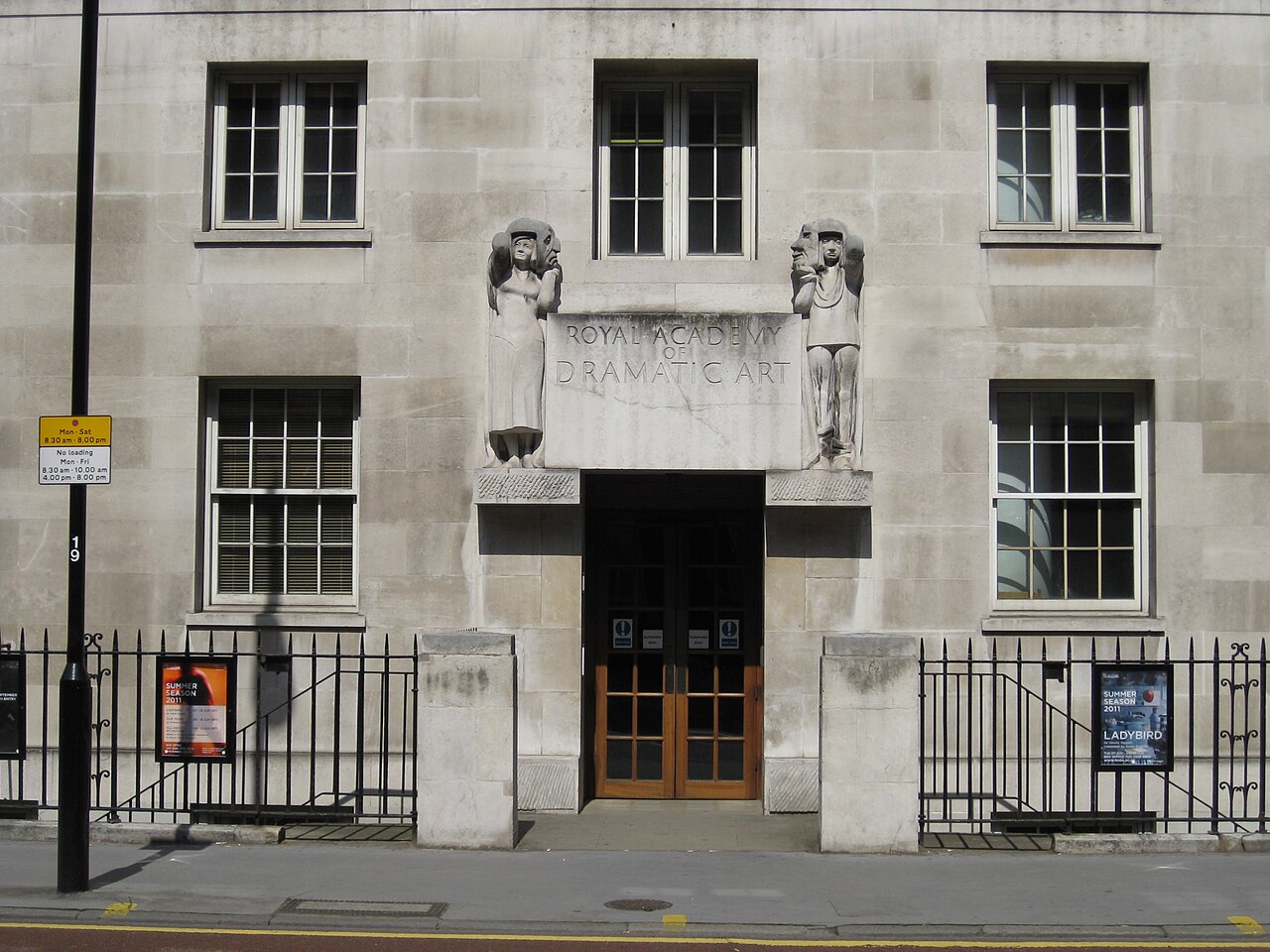
Born Mavis Chin to a Jamaican mother and a Chinese father, Hammond came to Britain in 1959. RADA’s account describes her initial work with an architectural firm and her involvement in theatre with Lloyd and Barry Reckord and Charles Hyatt. She performed under the name Mona Chin. A scholarship supported her training at RADA, whose graduate record lists her acting diploma in 1964. The name on that record connects her professional education with the performer later known to audiences as Mona Hammond.2, 3
Her stage work included Abbensetts’s Sweet Talk, Fagon’s 11 Josephine House and Matura’s Play Mas and Playboy of the West Indies. These credits place her within a network of writers and performers developing Caribbean and Black British drama, alongside the established plays that also formed part of her repertoire.1
A place for Black theatre
In 1986, Hammond co-founded Talawa with Yvonne Brewster, Carmen Munroe and Inigo Espejel. The company was created to address the limited opportunities available to Black actors on British stages. Its programme brought new writing together with African and Caribbean plays and works from the European theatrical repertoire. Building a company made it possible to shape that programme: selecting plays, bringing artists together and putting productions before audiences. Hammond’s contribution therefore extended beyond the roles for which another organisation might decide to cast her.4
Taking on familiar roles
She appeared in Talawa’s inaugural production, The Black Jacobins, in 1986, a drama about Toussaint Louverture and the Haitian Revolution. Three years later she played Lady Bracknell in the company’s The Importance of Being Earnest. The contrast is striking: a work concerned with revolution and freedom, followed by a comedy whose formidable aristocrat polices family background and social standing. Both belonged within the company’s theatrical range.5
In Talawa’s 1994 King Lear, directed by Brewster, Hammond played the Fool opposite Ben Thomas as Lear. The cast also included David Harewood, Diane Parish, Cathy Tyson and Lolita Chakrabarti. The University of Warwick’s performance database records the production’s touring history, including engagements in Manchester and London. Its collected reviews reveal differing responses to the staging. The production belongs to the history of working theatre, where casting and interpretation invite argument, as well as to the history of opportunities created for Black actors.6
Two generations on screen
Hammond’s television work could make an apparently small encounter carry a substantial argument. In Trix Worrell’s Just Like Mohicans, broadcast by Channel 4 in 1985 and directed by Faith Isiakpere, she played Shirley, a Jamaican woman confronted by a young burglar. Gary Beadle played Barrington, a London-born young man with a St Lucian family background. Their conversation moves through work, migration, family and belonging. Shirley’s account of the effort involved in raising children meets Barrington’s frustration with the prospects available to him. The drama gives Hammond an older character with a particular history and a position of her own, within a confrontation that changes as the two talk.7
Beyond a single character
In Storm Damage, broadcast in 2000, she played Agnes in a story about young people in a children’s home. Written by Lennie James and directed by Simon Cellan Jones, the drama drew on James’s experience of care. Adrian Lester played a teacher who becomes involved with the home’s residents, while Ashley Walters played the troubled Stefan. Hammond’s Agnes belonged to the adult world trying to provide care amid those pressures. It was another substantial dramatic role within a television career often remembered through its comedy and soap appearances.8
Her familiar characters also included Aunty Susu in Desmond’s. The range between that comedy, Lady Bracknell and her television dramas resists reducing a long working life to one household name.5
Institutions that remembered her
Hammond received an OBE for services to drama in 2005, and RADA made her an honorary fellow in 2019.2
After her death in 2022, the connection between her training and her work as a company founder took another form. RADA and Talawa announced a lecture series in her name, with an inaugural event scheduled for September 2026 and David Harewood as its speaker. The programme set out to bring students, artists and theatre leaders together to discuss the conditions in which creative careers develop. That choice of subject connects closely with the practical work Hammond undertook alongside her performances: helping to create an organisation in which other actors could work.9
Sources and further reading
1. Hammond, Mona. Ann Ogidi, BFI Screenonline.
2. Mona Hammond OBE, 1931–2022. RADA.
3. Mona Chin. RADA graduate record.
4. About Us. Talawa Theatre Company.
5. Talawa to hold an event in honour of Mona Hammond OBE. Talawa announcement, Afridiziak Theatre News.
6. King Lear (1994): Talawa. University of Warwick, BBA Shakespeare.
7. Just Like Mohicans (1985). Dave Rolinson, BFI Screenonline.
8. Storm Damage (2000). Mark Duguid, BFI Screenonline.
9. Mona Hammond Annual Lecture Series. RADA and Talawa Theatre Company.
Featured image. RADA’s Gower Street building, photographed in June 2011. Mona Hammond trained at the academy before developing her stage and screen career. Photograph: Chemical Engineer, 14 June 2011, via Wikimedia Commons. Image record · CC BY-SA 3.0
