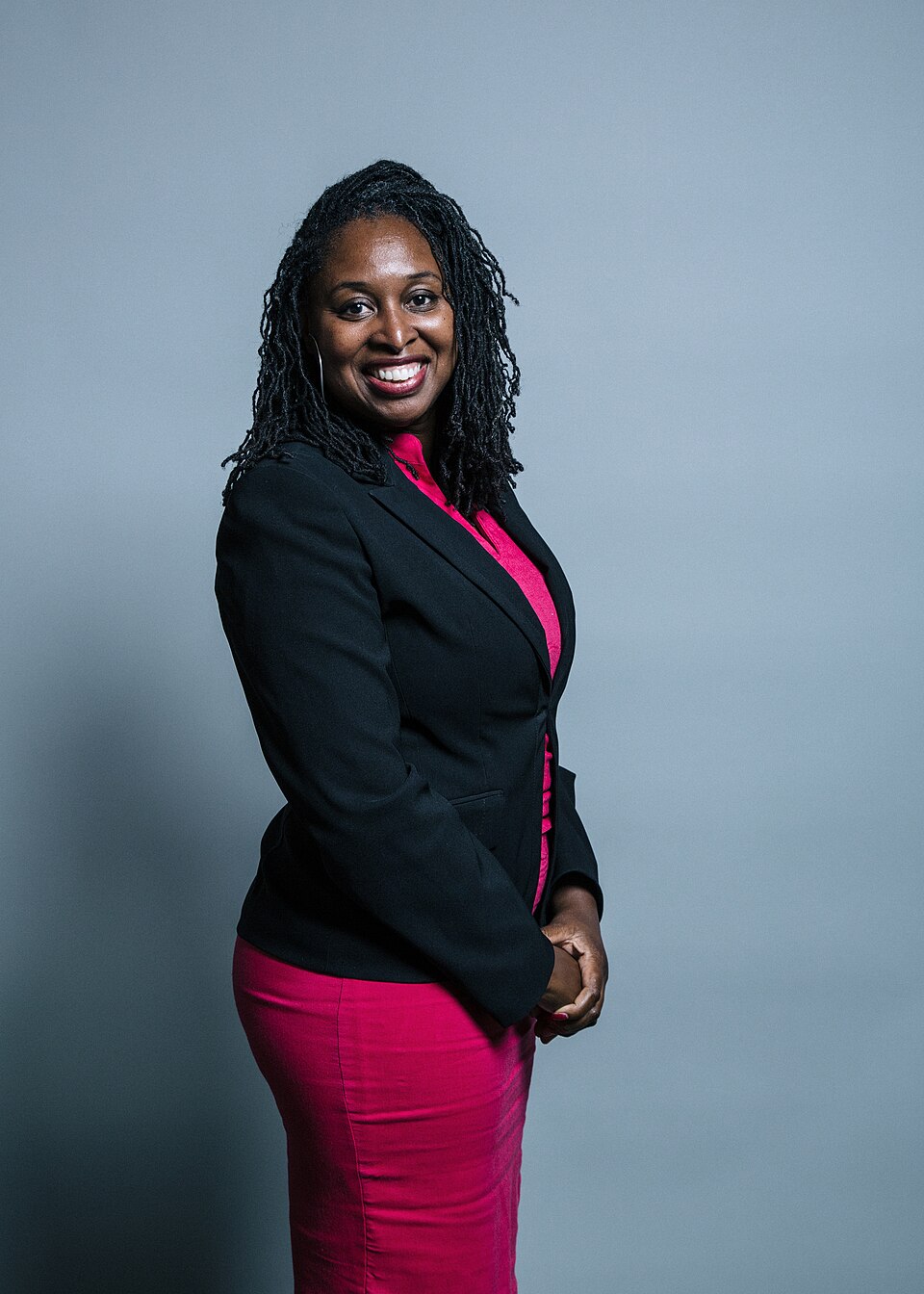
Dawn Butler has represented three Brent constituencies during a parliamentary career that began in 2005. Her record includes a period as a government minister for youth engagement, later opposition responsibilities for women and equalities, and campaigns concerning the cost of services and access to public life. 2
From East London to Westminster
Butler grew up in East London with parents who had come from Jamaica. One of six children, she helped in the family bakery and worked on a market stall. Her early professional work was in computing, as a programmer and systems analyst. She later became an equality and race officer at the GMB union and an adviser to the Mayor of London. Those jobs preceded her election and connected employment questions with political representation. 1
The priorities of a new MP
Her maiden speech on 24 May 2005 placed Brent South’s circumstances at the centre of her parliamentary work. She argued that unequal pay affected family finances, child poverty and the wider economy. She also drew attention to differences between local residents’ qualifications and earnings and those of London more generally. She wanted national initiatives to reach residents with few qualifications or limited access to better-paid work, and identified lobbying ministers as part of her job. 3
Young people were another focus. Butler promised to give their concerns a voice and challenged the tendency to associate youth automatically with antisocial behaviour. She also identified her experience as a GMB officer as part of the background she brought to Parliament. 3
Youth engagement and electoral change
Her subsequent youth-engagement role in the Cabinet Office concerned how young people participated in politics and community life. It involved coordinating work with other departments, including those responsible for education and justice, and with relevant organisations. The brief followed the Youth Citizenship Commission’s 2009 recommendations. It placed practical questions about participation within government: how to involve younger citizens, and which institutions needed to work together to do so. 1
Parliament dates that ministerial appointment from October 2009 to May 2010. Butler’s first period in the Commons ended in 2010; she returned as MP for Brent Central in 2015 and was elected for Brent East in 2024. From August 2017 to April 2020 she was shadow Secretary of State for Women and Equalities. This was an opposition role, distinct from her earlier ministerial authority. 2
Household costs and access to justice
In July 2015, Butler tabled an Early Day Motion on prepayment energy meters. It questioned installation charges, the use of meters to recover debts and the safeguards surrounding forced installation. The motion highlighted the position of households already struggling to pay, including homes with vulnerable adults or children. It also raised a concern about smart meters: easier remote switching could create new risks of disconnection. She sought stronger protections around installation warrants and greater help for households trying to move to a different tariff or payment method. 4
During the Commons debate on court and tribunal fees on 4 July 2016, Butler asked about trade-union reports that women and Black and Asian people were particularly affected by unaffordable fees. The wider debate concerned whether charging users restricted access to justice. Ministers defended asking users to contribute to the costs of courts and pointed to fee-remission arrangements. Butler’s intervention focused attention on how apparently general charges could affect groups differently. It linked an employment-rights issue to the practical ability to bring a claim, rather than only to the rights written into legislation. 5
British Sign Language in Parliament
Speaking for the opposition in a March 2018 debate, Butler argued for a British Sign Language GCSE and stronger recognition of the language. She recalled having signed a question in the Commons and thanked the interpreters and parliamentary staff supporting accessible proceedings. Her argument brought education and equality together: the availability of a qualification could affect whose communication was recognised and whose abilities could be demonstrated. 6
She also raised shortages of interpreters and the importance of Access to Work. The debate involved other MPs and organisations advocating for deaf people, placing her contribution within a wider campaign. Its questions were concrete: who could learn BSL, whether schools could offer a recognised qualification, and whether public institutions were making their own proceedings accessible. 6
Sources and further reading
1. About: Meet Dawn. Dawn Butler.
2. Parliamentary career for Dawn Butler. UK Parliament.
3. House of Commons debates, 24 May 2005. UK Parliament.
4. Early Day Motion 238: Energy Company Treatment of Prepayment Meter Customers. UK Parliament.
5. Commons Chamber, 4 July 2016: court and tribunal fees debate. UK Parliament.
6. British Sign Language: National Curriculum, 5 March 2018. UK Parliament.
Featured image. Dawn Butler in her official parliamentary portrait from June 2017. Photograph: Chris McAndrew / UK Parliament, June 2017, via Wikimedia Commons. Image record · CC BY 3.0
