An early appeal for material brought no replies. In a later conversation published by Tate, Ajamu X and Topher Campbell recalled distributing a flyer called Family Treasures, asking people to contribute to an archive. The silence raised a question about whether people considered their own possessions historically valuable. Collecting would require conversations about what an archive could contain and why ordinary material belonged there. 1
An organisation, then an archive
Ajamu and Campbell founded rukus! Federation in 2000. Its programme brought together artists, activists and cultural organisers through screenings, performances, workshops and exhibitions. Collecting developed within this wider creative activity. The organisation’s own records would eventually become part of the collection, preserving evidence of how the project took shape. 2
The archive project launched in London in June 2005. Photographer Ajamu X and filmmaker and theatre director Campbell sought to gather and make available material relating to Black lesbian, gay, bisexual and transgender lives in Britain. Exhibition-making, film screenings and oral history were part of the process, connecting preservation with opportunities for people to encounter the material. 3
Collecting through conversation
In an interview with researcher Mary Stevens, published in Archivaria, the founders explained their approach in their own words. The discussion placed artistic practice alongside loss, mourning and the ideas of cultural theorist Stuart Hall. Its conversational form was deliberate: recollection emerged through exchange between people, with the archive developing through those relationships. 3
The collection held at The London Archives contains correspondence, meeting records, magazines, posters, photographs and audiovisual material. Contributors include DJs, promoters, writers, artists and community organisations. The Sharing Tongues oral history project forms part of these holdings. Different kinds of evidence sit together, allowing public activity to be examined alongside personal recollection and the practical business of organising. 4
Among the catalogued records are Roy Thomas’s diaries from 1983–1986, recording student life at Huddersfield College and visits to events in northern England. Dorothea Smartt’s papers include poetry, photographs and oral history workshop recordings. These examples extend the collection beyond public campaigns, preserving the materials of study, creative work, social life and personal relationships. 2
The club as a meeting place
Nightlife occupies a substantial place in this history. The published introduction to Somerset House’s 2024 podcast More Than a Space describes the importance of clubs for Campbell while growing up in Britain during the 1980s and 1990s. As a care leaver, he connected those spaces with belonging and a sense of home. This is his particular experience, rather than an account of every Black queer person’s relationship with club culture. 5
The programme also brought Campbell into conversation with DJ Biggy C, Calvin Dawkins, who helped establish space for Black music within London’s predominantly white gay clubs. Considering a DJ’s work alongside the material in an archive opens up questions about who could gather, what they heard and how social spaces were made. 5
Preserving the collection
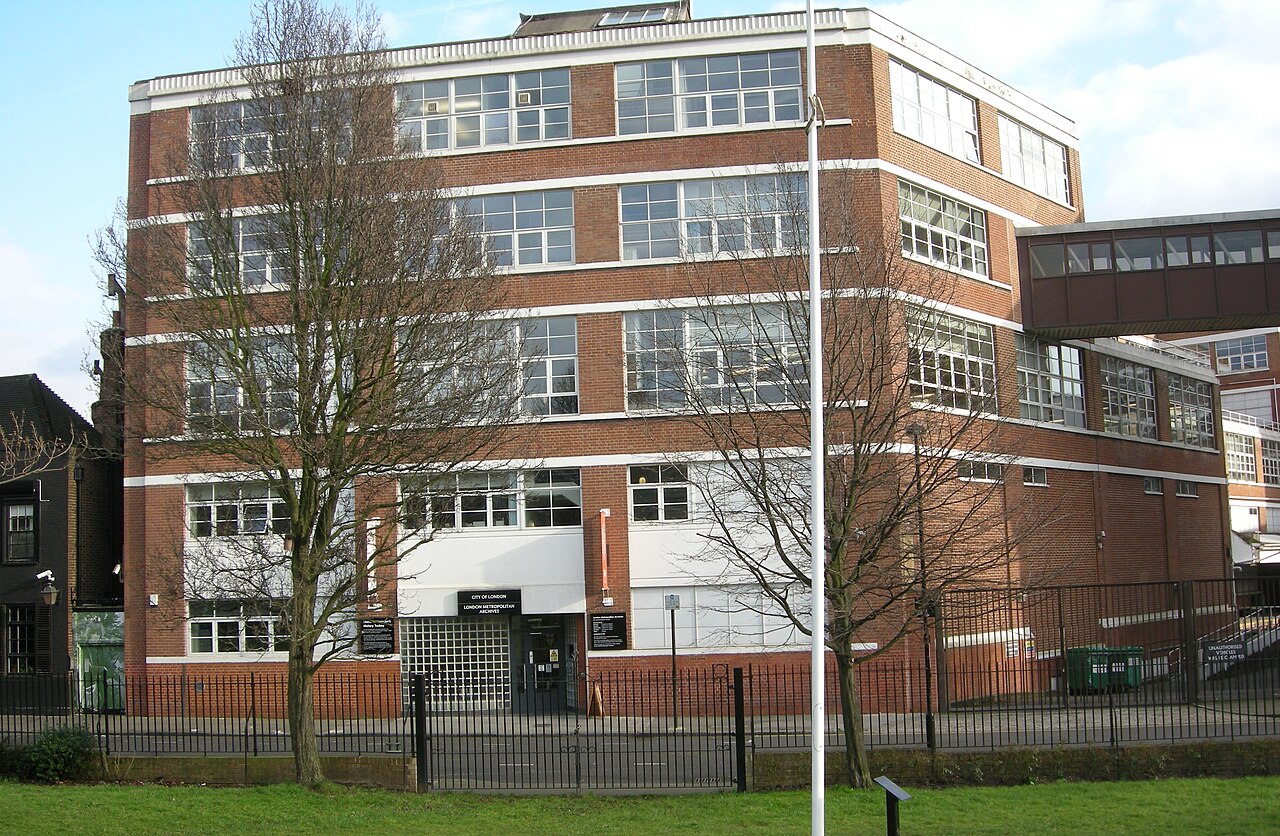
The archive was deposited at London Metropolitan Archives in 2010. Volunteers worked with archivist Richard Wiltshire and the founders between 2011 and 2014 to catalogue it. That catalogue was completed in February 2015, giving the collected material a structure through which researchers could locate individual records. 2
The repository, now called The London Archives, lists the collection under LMA/4571 and B16/186. Some later material is uncatalogued and requires an appointment to consult; access to personal records can also vary. The collection therefore survives in several forms, rather than as a single body of documents that can all be read online. 4
The founders have resisted treating rukus! as a complete or representative account of all Black queer experience. In their Tate conversation, they emphasised pleasure, intimacy and artistic experimentation as part of its purpose. Their discussion also recognised the limits of paper records: relationships and memories sometimes required speech to convey what documents alone could not. 1
Returning the archive to exhibition
Making a rukus! ran at Somerset House from 11 October 2024 to 19 January 2025. Curated by Campbell, the exhibition placed material borrowed from The London Archives alongside contemporary artworks and new commissions. It brought together Black queer creativity and organising from the 1970s onwards through objects selected for a new setting. 6
Evan Ifekoya restaged A Score, A Groove, A Phantom, A rukus!, an interactive installation that created a club-like environment. A flag designed by Jacob V Joyce flew during the exhibition. These works extended the collection’s history of artistic use: archived material returned to public view alongside new interpretations, with talks, tours and a film commission forming part of the programme. 6
Sources and further reading
1. rukus!: A Conversation. Tate Papers.
2. RUKUS! Federation Limited. The London Archives / AIM25.
3. Love and Lubrication in the Archives. Archivaria.
4. LGBTQ+ Organisations and Individuals. The London Archives.
5. More Than a Space. Somerset House.
6. Making a rukus!. Somerset House.
Featured image. The London Metropolitan Archives building on Northampton Road, photographed in February 2016. Contextual image of the archive building. Photograph: GrindtXX, 25 February 2016, via Wikimedia Commons. Image record · CC BY-SA 4.0
