On 14 February 2009, Lenny Henry appeared as Othello at the Quarry Theatre in Leeds. Northern Broadsides’ production, directed by Barrie Rutter, would tour and reach the West End. It placed an actor familiar from television comedy at the centre of a Shakespearean tragedy, working alongside Jessica Harris as Desdemona and Conrad Nelson as Iago.3
Finding a television voice
Born in 1958 to Jamaican parents in Britain, Henry came to national attention on the talent programme New Faces at sixteen. Tiswas and Three of a Kind helped establish his television career. His own BBC series, The Lenny Henry Show, began in 1984, making room for stand-up, spoofs and a succession of comic characters. Radio was another part of that apprenticeship: he spent three years as a Radio 1 DJ during the 1980s. These formats called for different kinds of timing, from the quick identification of a sketch character to the rhythm of addressing listeners without a camera.1
Henry’s screen work also included the sitcom Chef!. When BAFTA gave him its Special Award in 2016, it recognised a career encompassing comedy, film, theatre and writing. By then he was also challenging the industry publicly. His 2014 BAFTA Television Lecture concentrated on representation and the opportunities available to people entering broadcasting; he returned later to question how much had changed.2
A character across an evening
Othello gave Henry a role sustained across an entire play, with the changing relationships and pressures that entails. The production also crossed into another medium: in February 2010, BBC Radio 3 broadcast a recording with the principal actors reprising their parts. The character could now reach listeners through voices alone.3
In April 2023, the Bush Theatre premiered August in England, which Henry both wrote and performed. Directed by Lynette Linton and Daniel Bailey, the one-person play follows the fictional August Henderson, a father and part-owner of a West Bromwich fruit and vegetable shop threatened with deportation. Through August’s account of his life, Henry approaches the Windrush scandal at the scale of a family, a business and a familiar neighbourhood. The play gives its central character space to describe the attachments that an immigration decision can disrupt. Humour belongs within that account of a complicated life.7
Comedy in a public cause
Henry helped found Comic Relief in 1985. Fundraising became a continuing part of his public work, alongside performing and campaigning for representation. The organisation identifies him as its honorary life president. That relationship has lasted through substantial changes in his career and in the ways audiences encounter television entertainment.4
The first Red Nose Day took place in 1988. Its television programme brought established comic characters and performers into a shared fundraising event, including a Blackadder special and the cast of The Young Ones on University Challenge. Henry’s final year as a Red Nose Day host was 2024. The long association joined comedy with a recurring invitation to viewers to contribute, while allowing the programmes themselves to change with successive generations of performers.5
Researching who gets on screen
Henry also returned to formal study. After an MA in screenwriting, he completed an earned PhD in Media Arts at Royal Holloway in 2018. The research combined an original screenplay with an examination of sports films and their treatment of Black and other minority ethnic characters. He also studied what happened during the screenplay’s development. That combination matters: it brought the work of making a story into the same enquiry as the conventions and decisions shaping films. Academic research became another way to examine the industry in which he worked.6
In 2020, Henry and Marcus Ryder cofounded the Sir Lenny Henry Centre for Media Diversity at Birmingham City University. The centre brings together media professionals and academics to study representation in the UK. Its journal, Representology, makes research and discussions of practice freely available. This creates a place for evidence and sustained debate alongside the more visible moments of speeches and awards. Questions about participation can be examined over time, across the different jobs involved in producing media.9
Writing for a new audience
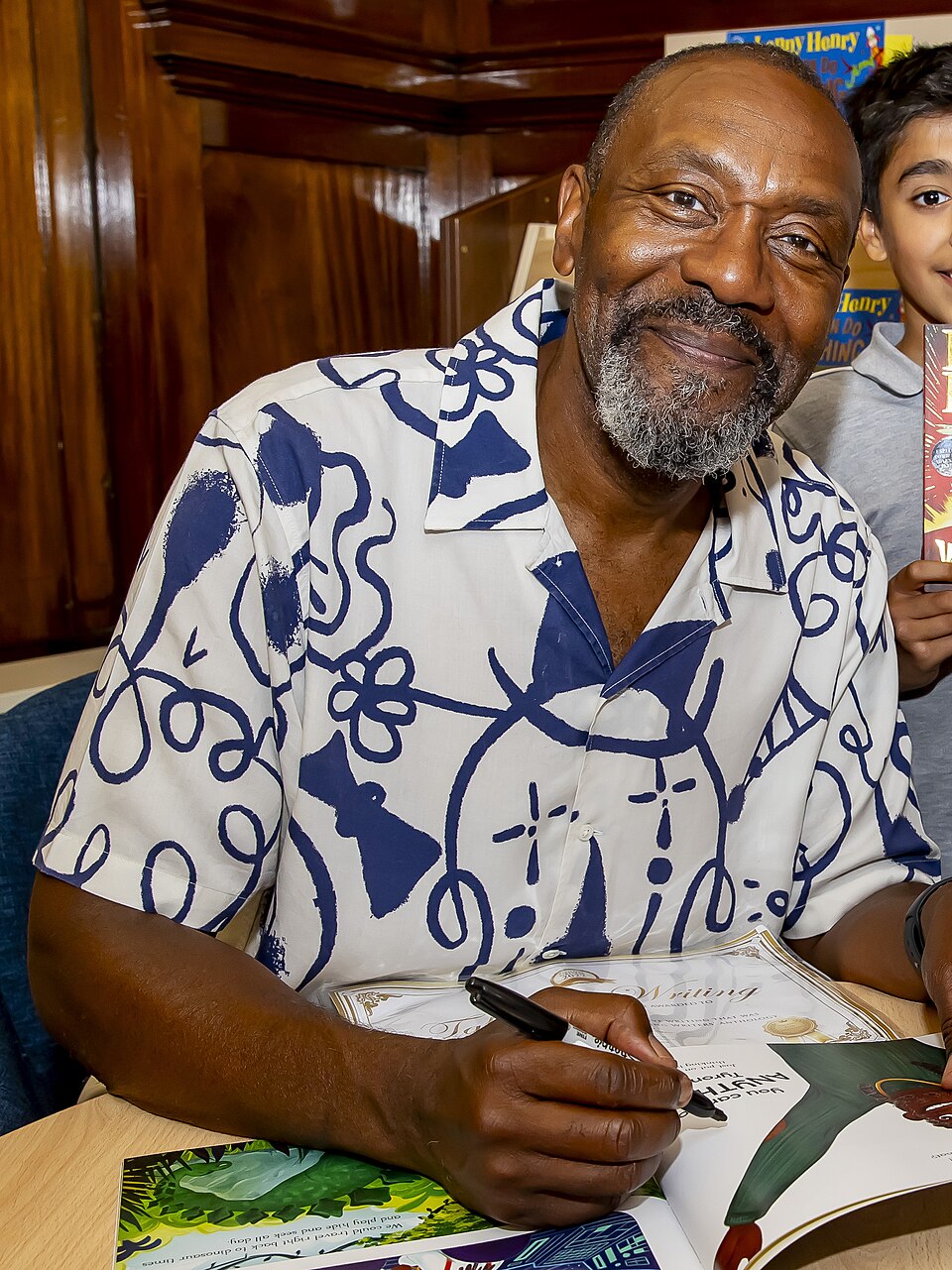
Children’s fiction has opened a further route for Henry’s storytelling. Published in 2021, The Boy With Wings follows Tunde, a schoolboy whose suddenly acquired wings draw him into an adventure much larger than his everyday worries. Keenon Ferrell illustrates the book, which also includes a comic adventure illustrated by Mark Buckingham. The combination of prose and pictures gives the story several ways to carry action and humour. It also places a young character’s friendships and developing abilities at the centre, offering readers a hero who still has ordinary problems to negotiate.8
The range of Henry’s work makes the conditions of performance part of his story: the programme, the stage, the page and the people who get access to them. His argument for wider opportunity grows alongside a career spent moving between those forms.2
Sources and further reading
1. Lenny Henry — National Portrait Gallery.
2. Lenny Henry: Special Award 2016 — BAFTA.
3. Othello (2009): Northern Broadsides — University of Warwick.
4. Lenny Henry — Comic Relief.
5. History of Red Nose Day — Comic Relief.
6. Lenny Henry receives Doctorate from Royal Holloway — Royal Holloway, University of London.
7. August In England — Bush Theatre.
8. The Boy With Wings — Pan Macmillan.
9. Sir Lenny Henry Centre for Media Diversity — Birmingham City University.
Featured image. Lenny Henry signing books at Dudley Library on 8 July 2023. Photograph: Jonathan Hipkiss Photography / Dudley Council, via Wikimedia Commons. Image record · CC BY 2.0
