A campaign badge in Hackney Museum carries a direct demand: scrap sus. Its red and black lettering surrounds an image of a young Black man confronted by a hand belonging to a figure in a police helmet. The badge names Black people’s organisations as the campaigners. It makes a public statement about who was being targeted and who was organising a response. 1
Mavis Best was among those organisers. With Black women in Lewisham, she pressed the police and government to end sus through demonstrations and meetings. Her campaign made the treatment of young Black people a matter that public authorities had to answer. 2
Community work in south-east London
Best had come to Britain from Jamaica in 1961. In 1974 she trained in community development and youth work at Goldsmiths. Working for the North Lewisham Project, she established a supplementary school for African Caribbean children in the Deptford area. Education and campaigning were parts of the same working life. She also developed a career in Camden’s social services and went on to chair the Maternity Alliance, concerned with childbirth and women’s rights. 2
An offence built around suspicion
Sus referred to provisions of section 4 of the Vagrancy Act 1824. By the 1970s, the offence concerned a suspected person or reputed thief frequenting or loitering in specified places with criminal intent. It could lead to imprisonment for up to three months. A completed theft was not necessary. In July 1979, the MP John Fraser argued that the offence punished conduct falling short even of an attempted crime, while cases depended overwhelmingly on police testimony. 3
Fraser also drew attention to the disproportionate number of Black people arrested in London. This was a question of criminal conviction as well as encounters on the street. The difficulty of challenging an allegation about someone’s supposed intentions was central to the argument for repeal. 3
Taking the demand to Parliament
The campaigning left a clear mark on the parliamentary record. During the Commons debate of 5 June 1980, John Tilley credited pressure from the campaign over the preceding two years with bringing the issue before MPs. He presented the demand as one for equality before the law. The people contesting sus were addressing Parliament as a body responsible for changing legislation. 4
Tilley also recalled solicitor Paul Boateng’s warning at a campaign meeting in February 1978: abolition would leave wider problems of policing unresolved. Campaigners could pursue a specific legislative change while recognising its limits. Their argument reached beyond the fate of individual prosecutions to the relationship between police and the communities they served. 4
What changed in 1981
The Criminal Attempts Act received Royal Assent on 27 July 1981 and came into force a month later, on 27 August. Section 8 abolished the suspected-person provisions of section 4 of the Vagrancy Act. The repeal applied in England and Wales. It removed the particular offence at the centre of the campaign; it did not repeal the entire 1824 Act or bring all police powers of arrest and search to an end. 5
That precise result matters to the history of Best’s work. Organisers had taken an experience familiar to young people and their families into a sustained campaign with an identifiable demand. Repeal provided a concrete change against which that effort could be measured. 4
A longer public life
Best’s public work continued well beyond 1981. She served as a Greenwich councillor from 1998 to 2002 and worked with Ann-Marie Cousins in establishing the Greenwich African Caribbean Organisation. The combination of community organisation and elected service extended the range of institutions through which she could act. She died in 2022, aged 83. 6
In October 2021 Greenwich appointed her an honorary Alderwoman, recognising her service as a former councillor. The honour marked one part of a career that had already moved between classrooms, community projects, campaigns and the council chamber. 2, 7
Sources and further reading
1. Scrap SUS now badge, 2024.105. Hackney Museum.
2. Best, Mavis. Hackney Museum.
3. Vagrancy (Amendment). UK Parliament. 1979-07-18.
4. Debate on the sus law. UK Parliament. 1980-06-05.
5. Criminal Attempts Act 1981, sections 8 and 11. UK Parliament. 1981-07-27.
6. The Great Greenwich Windrush Trail. Royal Museums Greenwich.
7. People appointed Alderman and Alderwoman. Royal Borough of Greenwich.
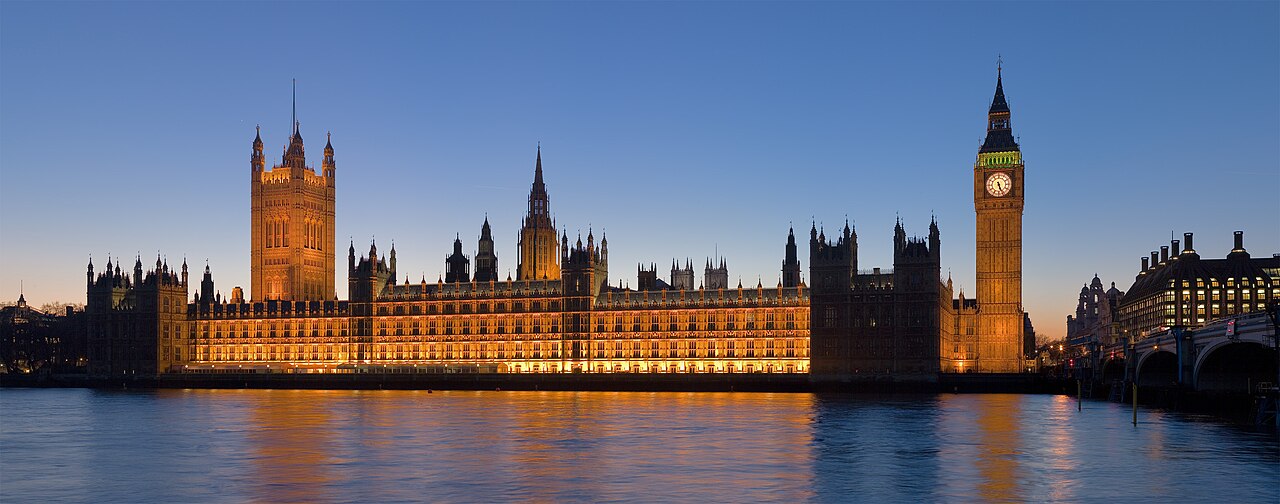
Featured image. The Palace of Westminster in 2007. The campaign against sus sought changes to the law made in Parliament. Photograph: David Iliff (Diliff), 3 February 2007, via Wikimedia Commons. Image record · CC BY-SA 2.5
